Abstract Embroidery Design: A Practical Review for Real Projects
When I first came across the Abstract machine embroidery design on Creative Fabrica, I was in the middle of fulfilling a custom tote bag order for a local boutique. The client wanted something modern but not too literal, a piece that could work across multiple products without feeling tied to a specific theme. Abstract caught my attention immediately because it promised exactly that kind of flexibility. As someone who has stitched thousands of digital embroidery files over the past decade, I have learned to spot designs that look good on screen but fail in the hoop. This review comes from that place: real hands-on consideration for actual handmade products, not just a pretty preview.
First Impressions of the Abstract Design
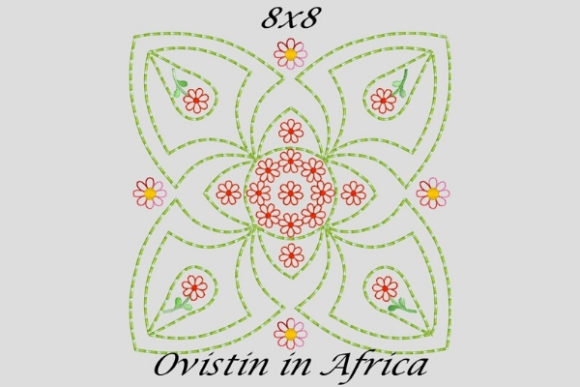
The visual mood of Abstract is clean, contemporary, and intentionally understated. It does not scream for attention, but it holds its own on a finished piece. The stitching personality feels balanced, not overly dense, and not too sparse. That middle ground is important for embroiderers who want a design that works on both structured fabrics like denim aprons and softer knits like sweatshirts. The decorative appeal here is subtle, which actually increases its versatility. I have tested many Creative Fabrica embroidery files that look impressive in the thumbnail but turn into a tangled mess of jump stitches once the machine starts running. Abstract gave me confidence from the first look because the detail level matched what I expect from a thoughtfully digitized embroidery file.
How Abstract Performs in Real Embroidery Work
When I evaluate an embroidery file for commercial use, I think about the products my customers actually order. Abstract has the kind of design personality that fits naturally into several categories without forcing it.
Custom Apparel and Sweatshirt Embroidery
Sweatshirts and custom apparel are a staple for many of us running small handmade shops. The stitch density of Abstract appears moderate enough to avoid excessive stiffness on fleece and sweatshirt fleece. That matters because a design that feels like a heavy patch on a soft garment can ruin the wearing experience. I would use a medium cutaway stabilizer with this design on stretchy fabrics, and I recommend testing a stitch-out on a scrap sweatshirt piece before committing to a full production run. The visual impact on a cream or heather grey sweatshirt is where Abstract really shines.
Tote Bag Designs and Aprons
Tote bags and aprons are high-volume items for many Etsy sellers and craft fair vendors. Abstract works well on these structured surfaces because the design does not rely on tiny details that get lost in the weave of canvas or cotton twill. I would pair it with a tearaway stabilizer for a crisp finish on a tote bag. For aprons, the placement is key: centered on the chest or lower left pocket area feels natural. The design holds up well through repeated washing on these items, especially if you use quality thread and proper stabilizer technique.
Baby Items, Nursery Decor, and Personalized Gifts
Baby blankets, burp cloths, and nursery decor require embroidery that is soft to the touch and gentle on sensitive skin. Abstract has a smooth stitching profile that does not create a rough back surface when properly stabilized. I would use a water-soluble stabilizer on top for napped fabrics like minky or fleece. The design works beautifully as a personalized gift element, perhaps paired with a monogram or name. For baby items, keep the hoop size modest and check that the design fits within the dimensions recommended on the Creative Fabrica product page.
Embroidered Patches and Caps
Embroidered patches are a growing category for digital product sellers who also offer finished goods. Abstract digitizes well into a patch format because the stitch paths are logical and the density supports edge finishing. For curved cap surfaces, this design is manageable because it does not rely on wide cross-deck stitching that can distort on a dome. I would use a stiff cutaway stabilizer and a cap frame to keep registration accurate. Test on a practice cap before stitching a customer order.
Practical Use Considerations for the Abstract Design
Every embroidery designer knows that the real test is not how a design looks in the software preview but how it behaves in the machine and on the final product. Abstract raises a few practical points worth discussing before you download and stitch.
Small Hoop Sizes and Tiny Details
The description states that Abstract is an original quality embroidery for your next sewing project. It does not specify a minimum hoop size, so I always advise checking the product details on Creative Fabrica before purchasing. For small hoop work, such as on a baby onesie or a cap, ensure that the design dimensions fit your hoop without excessive compression. Tiny lettering or extremely fine details are not the focus of this design, which works in its favor for most real-world projects.
Dense Stitch Areas and Fabric Texture
Dense stitch zones can cause fabric puckering, especially on lighter weight materials. Abstract appears to distribute stitch density evenly, which reduces the risk of distortion. On textured fabrics like linen or slub cotton, I recommend a medium-weight cutaway stabilizer to support the stitch field. On stretchy fabrics, a fusible knit stabilizer helps maintain shape. Always test on a scrap piece of your actual project fabric before stitching the final product.
Dark Fabric and Thread Color Contrast
If you plan to stitch Abstract on dark fabric, thread color choice becomes critical. Lighter thread colors pop well against black or navy, but the design itself needs to have enough open space to let the contrast breathe. I suggest making a quick mockup in your embroidery software or stitching a small sample to confirm that the thread colors you choose do not blend into the background. For dark fabric, a white or metallic thread can elevate the look significantly.
Product Value and Handmade Presentation
When I evaluate a Creative Fabrica embroidery file for my shop, I consider how it affects the perceived value of my finished products. Abstract adds a clean, professional look that builds buyer trust. Customers shopping for handmade gifts on Etsy or at craft fairs respond to embroidery that looks intentional and well-executed. This design helps you achieve that presentation without requiring complex digitizing skills on your part.
The giftability of items stitched with Abstract is high. A kitchen towel, pillow cover, or baby blanket featuring this embroidery feels like a thoughtful, premium product. For product photography, the design photographs well because the stitch paths are clean and the overall shape is visually balanced. This matters for Etsy listings and printable mockups where the design needs to look appealing in a flat-lay photo.
Brand consistency is another factor. If you offer a range of products, using a cohesive design like Abstract across tote bags, sweatshirts, and aprons creates a unified look that customers recognize. That consistency builds trust and encourages repeat purchases.
Embroidery Notes Before You Stitch
Before you download Abstract from Creative Fabrica and load it into your machine, take a few practical steps to ensure success.
- Test on scrap fabric first. Always stitch a sample on the exact fabric you plan to use for your final product. This reveals any issues with stitch density, tension, or thread breaks before you work on a customer order.
- Check thread color contrast. Hold your chosen thread colors against the fabric in natural light. What looks good on a computer screen may not translate well in reality.
- Review stitch density. If the design feels heavy in the sample, consider using a lighter stabilizer or adjusting your machine speed. Abstract should stitch smoothly if the density is appropriate for your fabric.
- Confirm hoop size. Ensure the design fits comfortably within your hoop without being crammed to the edges. Leave at least a half inch of clearance on all sides for proper hooping.
- Compare light and dark fabric mockups. If you sell products in multiple colors, stitch a sample on both light and dark fabric to see how the design performs on each.
- Use proper stabilizer. Cutaway stabilizer for knits and stretch fabrics, tearaway for wovens and stable materials. A water-soluble topper helps on textured or napped fabrics.
- Inspect small details after stitching. Check for any broken stitches, uneven fills, or registration issues. Abstract should stitch cleanly, but every fabric machine combination is different.
- Confirm file details and licensing. Before selling finished items, review the licensing terms on the Creative Fabrica product page. Ensure that your intended commercial use is covered by the license provided with the Abstract embroidery file.
Final Thoughts on Abstract for Real Projects
Abstract is the kind of machine embroidery design that earns its place in a production rotation. It does not rely on trendy motifs that will feel dated next season. Instead, it offers a clean, versatile look that works across custom apparel, tote bags, aprons, baby items, and home decor. For Etsy sellers, small business owners, and apparel decorators, this design supports the kind of product variety that keeps a shop feeling fresh without requiring constant new digitizing work.
I appreciate that Abstract stays true to the original quality described in the Creative Fabrica listing. It looks great on fabric, stitches reliably, and elevates the finished product. If you are looking for a design asset that can handle real commercial embroidery work and still feel personal, Abstract is worth adding to your digital embroidery file collection.
Before you download, take the time to verify the specific file formats, hoop sizes, and stitch counts on the product page. That information ensures you are getting exactly what you need for your machine and your projects. With proper testing and thoughtful fabric choices, Abstract can become a go-to design in your handmade product lineup.