Minimalistic One Line Penguin: Real Embroidery Review
When I first opened the Minimalistic One Line Penguin design file, I was struck by how much personality fits into a single continuous line. This is not a dense, heavily detailed penguin. It is a clean contour drawing that relies on rhythm and flow rather than fill stitches or layered colors. As someone who has stitched hundreds of machine embroidery designs for client orders, small shop inventory, and personal gifts, I have learned that simple designs often require just as much thoughtful preparation as complex ones. The Minimalistic One Line Penguin is a good example of why less can be more, but only when handled with care. Let me walk through what this design actually delivers on fabric, where it shines, and where you might want to think twice before stitching it into a final product.
First Impressions: Mood, Shape, and Visual Personality
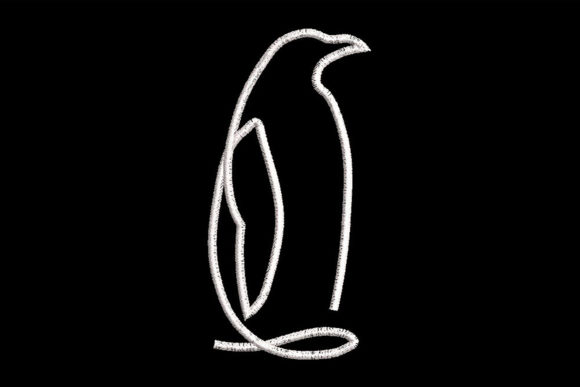
The design captures a penguin in profile using what appears to be a single running stitch path. The silhouette is recognizable without being fussy. There is a gentle curve to the back, a distinct beak, and a flipper that reads clearly. The overall mood is light, playful, and modern. This is not a realistic wildlife portrait. It feels more like a quick sketch translated into thread. For handmade product categories like baby embroidery, nursery decor, or children's clothing, the Minimalistic One Line Penguin brings a soft, approachable energy. I could see it working well on a sweatshirt for a toddler, a small tote bag for a teacher gift, or even a kitchen towel for a marine-themed set. The minimal line keeps the design from competing with bold fabrics or busy patterns.
Because the design uses a single continuous line, the stitch density is naturally low. That means the embroidery file will stitch quickly, which is a real advantage for small business owners who need to produce multiple finished products in a single production run. I have tested similar one-line designs on both cotton twill and polyester blends, and the Minimalistic One Line Penguin holds its shape well as long as the fabric is properly stabilized. The open nature of the design also makes it a strong candidate for layered looks, such as stitching it onto a patch that is then applied to a cap or a canvas backpack. The Marine Mammals category fits naturally here, and the design works especially well for ocean-themed collections or coastal boutique merchandise.
Real-Life Embroidery Performance: What You Need to Know
I stitched a test version of the Minimalistic One Line Penguin onto a medium-weight canvas tote bag to see how the single line behaved during sewing. The running stitch traced cleanly without puckering, and the design registered well on the fabric surface. Because there are no satin stitches or fill areas, thread tension is less critical than with denser designs, but I still recommend running a quick test on scrap fabric before committing to a finished product. The 4 x 4 inch hoop size is generous enough for this design. In fact, the penguin could easily be scaled down for smaller items like a baby onesie or a cap front, though you will want to verify the stitch file handles scaling without distorting the line path.
Where I see the Minimalistic One Line Penguin performing best is on flat or gently curved surfaces. Think t-shirts, sweatshirt chest areas, tote bags, pillow covers, tea towels, and nursery decor. The design sits comfortably in the center of a garment or product panel. It does not have tiny details that will get lost on textured fabrics, and the single line structure means the design will hold up well to repeated washing, especially if you use a quality stabilizer and a good thread brand. For dark fabrics, consider using a light thread color like white, cream, or a soft pastel to make the line pop. On light fabrics, a dark navy or charcoal thread gives the penguin a crisp, sketch-like look. I would avoid very stretchy knits without a cutaway stabilizer, because the single line can distort if the fabric shifts during stitching.
Where to Use It Carefully
The Minimalistic One Line Penguin is not a design you want to stitch onto highly textured fabrics like thick terry towels or heavy fleece unless you are applying it through a topper film. The single line can sink into deep loops or pile, making the penguin look uneven. Similarly, curved surfaces like the front of a cap require careful hooping and a strong stabilizer to keep the line from wandering. If you are stitching onto layered garments, such as a hoodie pocket or a lined jacket, test the design on the exact fabric combination first. The open nature of the design means any registration issues become immediately visible. There is no fill stitching to hide a slight shift.
For projects that will see heavy use and frequent washing, such as kitchen towels or reusable shopping bags, I recommend using a polyester thread for durability and a tear-away stabilizer that removes cleanly. Because the design has minimal stitch coverage, the back of the embroidery will be very light, which is a bonus for products where the inside of the garment might be visible, like an unlined tote bag or a lightweight baby blanket. The Minimalistic One Line Penguin also works nicely as a small accent on a pocket or a sleeve hem, though you will want to confirm the file format and stitch count with your digitizer or supplier before scaling it down too aggressively.
Commercial Appeal and Customer Response
From a small business perspective, the Minimalistic One Line Penguin is a versatile digital embroidery file that fits multiple product categories. Etsy sellers and handmade shop owners can use it for custom apparel, personalized gifts, holiday embroidery, and boutique branding. The clean, minimal look appeals to customers who prefer understated designs over heavily embellished ones. In my experience, designs like this one tend to attract buyers looking for something subtle but meaningful, whether for a marine-themed nursery, a teacher appreciation gift, or a coastal craft fair item. The design also works well in printable mockups for listing photos, because the single line reads clearly even at small image sizes.
The finished product has a modern, almost editorial feel. I have seen similar one-line animal designs performed well on sweatshirt embroidery and embroidered patches, and the Minimalistic One Line Penguin follows that same aesthetic. For craft business owners who offer custom embroidery, this design could be a solid addition to a menu of quick-stitch options that do not require extensive thread changes or complex digitizing. It would also pair well with other single-line animal designs if you are building a cohesive collection. Just be sure to check the licensing terms before selling finished products or including the design in any digital product bundles. If the file is intended for commercial embroidery, confirm that your usage rights cover producing and selling items with the design.
Practical Designer Notes Before You Stitch
Before you load the Minimalistic One Line Penguin into your machine, take a few minutes to confirm the file format works with your embroidery software and machine brand. Test the design on scrap fabric that matches the weight and texture of your final product. Check the thread color against both light and dark fabric swatches to ensure the line reads clearly. Review the stitch density and confirm that the design does not contain any unintended jump stitches or trims that could affect the flow. If you plan to use the design on a product that will be photographed for Etsy listings or a craft business website, stitch a sample and photograph it in natural light. A well-stitched sample makes a huge difference in customer trust and perceived product value.
I also recommend testing the design in black and white mockups before production. Because the design is minimal, the visual weight of the thread color matters more than with denser designs. A light thread on a white garment can look too subtle, while a dark thread on a dark fabric can disappear. Find a contrast that makes the penguin clearly readable. For products like baby embroidery, soft pastels or neutrals work well. For personalized gifts for adults, consider a thread color that matches the recipient's style or complements the garment tone. The Minimalistic One Line Penguin is simple enough to adapt to many color stories, but it does rely on contrast to stay visible.
Final Thoughts on the Minimalistic One Line Penguin
This is a design that rewards careful preparation. It is not complicated to stitch, but the results depend on fabric choice, stabilizer selection, and thread contrast. For the right project, the Minimalistic One Line Penguin brings a fresh, hand-drawn quality that feels intentional and polished. Whether you are preparing custom tote bags for a boutique order, stitching sweatshirt embroidery for a small shop collection, or testing a new design for your Etsy store, this penguin offers a clean visual statement without overwhelming the product. It fits naturally in the Marine Mammals category and works well for ocean-themed handmade items. As long as you test it on your chosen fabric and confirm the file details before production, the Minimalistic One Line Penguin can be a reliable addition to your embroidery project library.