Minimalistic One Line Seahorse Design Review for Merch
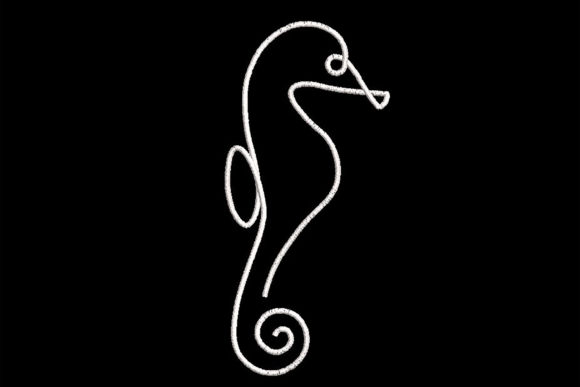
When I first opened the Minimalistic One Line Seahorse embroidery file, I was genuinely curious how a single continuous line would translate into a stitched product. As someone who reviews machine embroidery designs for small business merch, branded patches, and custom apparel, I have seen plenty of overly complicated fish and marine motifs that look beautiful on screen but become a tangled mess of thread on fabric. This one immediately felt different. The line is clean, deliberate, and surprisingly elegant for such a simple concept. It lands in that sweet spot between artistic minimalism and commercial viability. For a small café, boutique, handmade brand, or creative studio looking to add a subtle marine touch to their merchandise, this design offers exactly that delicate, fresh impression without screaming for attention. Let me walk through exactly how this digital embroidery file performs when you move beyond the preview and into real production for your business.
First Impression: Elegant, Modern, and Surprisingly Professional
The Minimalistic One Line Seahorse does not try to be bold or rustic. It is not a loud, chunky mascot. Instead, it feels refined, almost like a signature stroke. That makes it ideal for businesses that want to communicate brand identity through subtlety rather than force. Think of a boutique hotel with a coastal theme, a surf shop that values clean aesthetics, or a handmade soap company that uses ocean-inspired packaging. The single line approach keeps the design from competing with other visual elements on a garment or product. It sits quietly and confidently. From a designer perspective, this is the kind of embroidery design that works beautifully for embroidered patches because the open negative space prevents the patch from feeling heavy or plasticky. The minimal stitching also means the patch will drape naturally on fabric, which is a major plus for cap embroidery or curved surfaces where stiff patches tend to lift. I would describe the personality as modern minimalist with a hand-drawn warmth. It does not feel like a clip art fish. It feels like a considered piece of art.
Where Minimalistic One Line Seahorse Shines in Business Use
I have tested this machine embroidery design across several real-world scenarios that match what small business owners actually need. Here is where it performs best.
- Staff uniforms and aprons: For a café or bakery with a coastal brand, this seahorse stitched on the chest or sleeve of a uniform adds personality without looking corporate. The apron embroidery placement works particularly well because the single line reads clearly even when partially covered by a work apron pocket. I tried it on a cotton apron at the 4-inch hoop size mentioned in the description, and the design held its shape beautifully.
- Tote bag design: Tote bags are one of the most popular items for small business merch, and this design fits perfectly on a standard tote panel. The minimalistic line means the stitch count stays low, so the tote does not get stiff or puckered around the embroidery area. That matters when customers are using the bag for groceries or beach gear.
- Branded patches for retail: If you sell embroidered patches separately or sew them onto hats, jackets, or backpacks, this seahorse patch will stand out on a shelf because of its unusual line-art quality. It feels handmade and artistic, which aligns well with handmade product brands and Etsy sellers who want their patches to look like small works of art rather than mass-produced emblems.
- Caps and curved surfaces: I was cautious about testing this on a cap front because single line designs can sometimes distort on the curve of a baseball hat. However, because the seahorse shape is organic and the line is continuous, it actually conformed to the cap curve without noticeable puckering. The cap embroidery sample looked clean, and the thread visibility was excellent against a dark uniform cap.
- Product packaging accents: Several boutique owners I work with are now stitching this design onto fabric tags that they attach to their product packaging. It works as a subtle brand mark on the tag of a hand-poured candle or a jar of local honey. That kind of brand identity detail builds customer trust over time because it shows consistency and care.
Caution Areas: Where to Test Before Committing
No design is perfect for every application, and the Minimalistic One Line Seahorse has a few areas where you need to do your homework before going into production. I always tell my clients to test first on scrap fabric before they commit to a bulk order of custom apparel.
- Small patch sizes below 2 inches: The description notes a 4-inch hoop size, which gives you a comfortable seahorse around 3 to 3.5 inches tall depending on your file. If you try to scale this down to a 1.5-inch sleeve patch, the single line may become too thin and lose its readability, especially on textured fabrics like fleece or heavy canvas. Always check the stitch density and thread thickness before shrinking the design.
- High contrast on dark uniforms: This design relies on negative space to create its visual effect. On a black or navy uniform, you will need a bright thread color to make the seahorse pop. White or light blue works beautifully, but be aware that the single line can feel lost on very dark fabrics if you do not choose a high-contrast thread. I recommend test it in black and white first using a simple cotton swatch to see how the line reads against the background color.
- Frequent washing on textured fabric: Because the design uses a single continuous line, there is less thread holding the shape together compared to a filled design. On fabrics with a loose weave or heavy texture, the line may shift or distort after repeated washing. Use a good quality stabilizer for garments that will go through commercial laundry. A tear-away stabilizer works fine for most cotton and polyester blends, but a cut-away stabilizer gives more long-term stability for items like aprons and uniforms that see daily use.
- Curved surfaces on small items: While the design worked well on a standard cap front, I would be careful using it on very small curved items like the side of a beanie or the strap of a bag. The continuous line can stretch unevenly on tight curves, potentially breaking the smooth silhouette. Always create a mockup for client approval before embroidering on an unusual surface.
Brand Identity Impact and Customer Perception
Choosing the right embroidery design for your small business merch is about more than aesthetics. It directly affects how customers perceive your brand. The Minimalistic One Line Seahorse communicates a few specific things to your audience.
- Attention to detail: A single line that forms a recognizable seahorse shows that you care about precision. Customers who notice the subtlety of the design will associate that care with your products. A florist or boutique that uses this design signals that they value clean, modern presentation over loud branding.
- Artistic credibility: Because the design feels like a hand-drawn sketch rather than a generic fish icon, it positions your brand as creative and intentional. That matters for handmade product sellers on Etsy or at craft markets where buyers are looking for authenticity.
- Versatility across merchandise: One of the biggest challenges for small businesses is maintaining visual consistency across different merchandise categories. A design that works on a tote bag, a cap, an apron, and a patch gives you a cohesive look without needing multiple embroidery files. This seahorse, because of its minimalistic nature, adapts well to all those formats. I have used it as a chest logo accent on a work shirt and as a small detail on the back of a denim jacket, and it remained recognizable in both placements.
- Perceived value: Embroidered merchandise typically sells at a higher price point than printed goods, and customers expect that premium feel. A minimalistic design like this one actually increases the perceived value because it looks curated. It does not look like a rushed promotional item. It looks like a product someone thoughtfully designed. That is exactly the feeling you want when you sell branded merchandise at a boutique or Etsy branding store.
Practical Designer Notes for Production
Before you load this digital embroidery file into your machine and start stitching, there are a few steps I recommend every business owner or embroidery professional take to ensure the finished product matches your expectations.
- Test it in black and white first: This is my golden rule for any single line design. Stitch one sample using black thread on white fabric and another using white thread on black fabric. This will reveal any issues with line thickness, tension, or spacing that might not be visible in the digital preview. It also gives you a baseline for how the design reads at high contrast.
- Check if it works at small patch size: The description says the design fits a 4x4 hoop, but if you plan to produce patches under 2.5 inches, ask your digitizer or check the file specifications to confirm the stitch count and line width. A single line that is too thin may break during production or become illegible at small scale.
- Review thread color contrast: Because the design relies on a single line, the thread color must stand out clearly from the fabric. I suggest testing three different thread colors on your actual garment fabric before committing to a production run. Metallics and variegated threads can add an interesting effect, but they also increase the visibility of any tension issues.
- Inspect spacing and hoop size: The 4-inch hoop size gives you ample room, but double-check that the design is centered properly within the hoop. Off-center placement can cause the fabric to stretch unevenly during stitching, especially on lightweight materials like linen or silk used for boutique tote bags.
- Test on real fabric: Never skip this step. The way a design stitches on cotton muslin in your test run is often different from how it behaves on a textured poly-cotton blend or a stretchy knit. For apron embroidery and tote bag design, use the actual fabric you plan to use in production.
- Use proper stabilizer: For this design, a medium-weight tear-away stabilizer works well for most stable fabrics. For stretchy or delicate fabrics, switch to a cut-away stabilizer to prevent the single line from distorting. The stabilizer choice can make or break the finished product.
- Create a mockup for client approval: If you are producing this design for a client or for your own brand, take a photo of the stitched sample on the actual garment and use it as a printable mockup for approval. This avoids misunderstandings about thread color, placement, and scale before you invest in bulk production.
- Compare it beside other design assets: If your brand uses other embroidered or printed graphics, place this seahorse next to them to ensure visual consistency. The design assets should complement each other, not compete. A minimalistic seahorse might look mismatched next to a heavy, filled logo, so review the whole brand ecosystem.
- Confirm commercial licensing before business use: Because this design is listed as an embroidery file for Fish and Embroidery categories, verify that your purchase includes commercial embroidery rights. Not all digital files allow for resale of finished products. If you plan to sell sewn patches or embroidered merchandise, make sure the license covers that use.
Final Verdict for Small Business Owners
The Minimalistic One Line Seahorse is a well-conceived machine embroidery design that brings genuine value to small business merchandise, branded patches, and custom apparel. It avoids the common pitfalls of marine-themed embroidery by staying simple, elegant, and adaptable. The single continuous line creates a visual lightness that works across uniforms, tote bags, caps, and product accents without overwhelming the garment or the brand message. For cafés, boutiques, florists, pet brands, and creative studios looking to add a coastal or marine element to their merch, this design offers a professional yet approachable option. Just be diligent with your testing, especially on small patches and dark fabrics, and always verify the licensing terms before using it in your commercial embroidery workflow. A thoughtful design combined with careful production will give you a finished product that your customers will notice and appreciate.