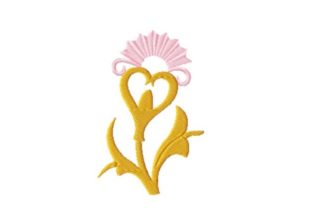
Accent Embroidery Review: A Designer’s Take for Craft Fair Profits
When I first opened the Accent machine embroidery design file, I did what I always do before committing a new pattern to a weekend craft fair booth: I studied it like a buyer would. Would this design catch a passing shopper’s eye across a crowded market aisle? Does it translate well from digital preview to finished product? Is it practical to stitch in bulk for an Etsy shop or a boutique order? After spending years testing designs on tote bags, aprons, tea towels, caps, and gift items, I’ve developed a sharp sense for what sells and what sits. Here is my honest designer review of Accent and exactly how I would use it to build a strong handmade product lineup.
First Impression: Soft, Decorative, and Surprisingly Versatile
The name Accent is fitting. This design does not scream for attention. Instead, it offers a refined, decorative touch that feels premium without being fussy. It lands somewhere between modern minimal and rustic charm — think farmhouse elegance with a clean edge. The first thing I noticed was the balanced spacing. Nothing about this design feels crowded or overly dense. It has a gentle presence that invites the eye to rest rather than scan. For craft fair sellers, that quality alone is gold. Shoppers at handmade markets often respond to designs that feel intentional and calm, not chaotic. Accent delivers that quiet appeal, which makes it ideal for brands wanting a consistent, trustworthy look across multiple products.
Where Accent Shines in a Craft Fair Booth
I envision Accent working beautifully on several staple handmade products. Here is how I would position it for maximum customer attention and sales.
Tote Bags and Market Bags
Tote bags are a craft fair staple for good reason — they are affordable, reusable, and easy to display. Accent stitched on a sturdy cotton or canvas tote bag gives the bag a polished, boutique feel. I would place it as a centered focal motif on the front panel. Because the design has a balanced composition, it does not need to be oversized to be noticed. A medium hoop size will produce a clean impression that looks professional without overwhelming the bag. In my booth, I would stack three tote bags with Accent in different thread colors — maybe a neutral linen thread on natural fabric, a soft sage on cream, and a warm terracotta on light gray. That color variation alone often stops customers who are looking for something “different but not loud.”
Aprons and Kitchen Towels
Aprons sell exceptionally well at farmer’s markets and holiday craft fairs. Accent applied to the bib area or lower pocket of an apron adds a handmade touch that justifies a higher price point. On tea towels, the design works as a single repeat near the hem or as a centered motif. I especially like it on textured linen or waffle weave towels, where the stitch definition stands out against the fabric texture. Just be mindful of stitch density — check that your embroidery file does not pack too many stitches into small areas on thicker toweling. A light stabilizer and careful hooping will keep the design crisp.
Embroidered Patches for Giftable Items
Patches are a low-risk, high-margin product for any digital embroidery seller. Accent rendered as an embroidered patch can be attached to pouches, caps, pillow covers, or even sold separately as iron-on items. I would stitch a few patches and pin them to a small display board alongside finished products. This lets customers see Accent up close and imagine it on their own jackets, jeans, or bags. Patches also allow you to batch produce quickly — a huge advantage when you are preparing for back-to-back weekend markets.
Caps and Small Pouches
Curved surfaces like caps require designs that do not distort under tension. Accent’s open spacing and balanced shape suggest it will adapt well to a cap front or side panel. I recommend testing it on a scrap cap first, verifying that no tiny details get lost in the curve. Small fabric pouches — cosmetic bags, coin purses, or glasses cases — also benefit from Accent’s compact footprint. A single stitch-out on a pouch can elevate it from simple to gift-worthy in seconds.
Practical Selling and Production Notes
Every experienced embroidery designer knows that a beautiful file is only half the battle. The real test is how easily it transitions into a repeatable, sellable product. Here is my honest assessment of Accent from a production standpoint.
Ease of Understanding at a Glance
Shoppers at craft fairs make snap judgments. They scan a table in seconds. Accent reads clearly from a few feet away, which is essential for grabbing attention in a busy market hall. The design does not rely on tiny text or fussy details that disappear from a distance. That clarity means it works as both a small accent on a pouch and a larger focal point on a tote bag.
Batch Production and Repeatability
For Etsy sellers or small shop owners filling wholesale orders, repeatability is everything. Accent appears to have moderate stitch counts and reasonable thread color changes, which keeps production time manageable. I always recommend stitching a test sample first to confirm the actual stitch count and hoop size, then timing yourself to estimate how many units you can complete in a production run. A design that takes ten minutes per stitch-out is far more profitable than one that takes thirty, especially when you are pricing for a craft fair.
Photography and Online Listings
Accent photographs well. Its balanced composition and clear outlines translate nicely into product photos for Etsy listings, Instagram posts, and printable mockups. I would capture a few lifestyle shots — a tote bag draped over a market stall table, an apron hanging on a hook, a tea towel folded with a sprig of lavender — to show customers how Accent looks in real life. Good photos sell better than any description ever could.
Careful-Use Notes Every Embroiderer Should Know
Before you stitch Accent on everything in sight, let me share a few technical considerations that can make or break your final product.
- Stitch density and fabric texture: If the design has dense fill areas, test it on your chosen fabric first. Heavy toweling, thick denim, or textured linen can distort dense stitching. Use a tear-away or cut-away stabilizer appropriate for the fabric weight.
- Tiny details and small lettering: If Accent includes any small text or fine elements, verify they remain legible at your intended hoop size. Scaling down too much can cause details to blur or break.
- Dark fabric: On black or very dark fabric, light thread colors may not pop as expected. Stitch a test sample on a dark scrap before committing to a production run. A white or metallic thread can create beautiful contrast, but only if the design has enough open space.
- Curved cap surfaces: Caps require a cap hoop and careful alignment. Accent’s layout should sit flat on the curved front panel. Avoid placing it too close to the brim or seams.
- Smaller sizes: If you plan to stitch Accent at a reduced size, check that all elements remain clear. Delicate details can lose definition below a certain scale.
How Accent Boosts Visual Appeal and Customer Engagement
In a crowded craft fair booth, every product must earn its place. Accent helps your handmade items tell a story of quality and care. Customers who see a well-stitched design on a tote bag or apron immediately associate it with higher value. I have found that designs like Accent — refined but not overly ornamental — encourage shoppers to pick up the item, turn it over, and imagine owning it. That tactile engagement is the first step toward a sale. The design also supports brand consistency. If you offer multiple products with the same embroidery motif, customers begin to recognize your booth as a cohesive collection, not a random assortment.
Practical Embroidery Designer Notes Before You Sell
Before I ever list a finished product featuring Accent at a craft fair or on Etsy, I run through a short checklist. Let me share it so you can avoid common pitfalls.
- Test on scrap fabric: Always stitch a test sample on the exact fabric you plan to sell. This confirms stitch quality, tension, and thread contrast.
- Check thread contrast: Hold your thread choices against the fabric in natural light. What looks good on a screen may wash out in person.
- Review spacing and placement: Mark your hoop center on the fabric and place the design where it will look balanced on the finished product. Off-center embroidery can look accidental.
- Confirm hoop size: Verify that the design fits your hoop before cutting stabilizer. Some files require a larger hoop than expected.
- Inspect stitch density: If any area feels too dense, consider reducing stitch count or using a lighter stabilizer to prevent puckering.
- Use the right stabilizer: Cut-away stabilizer for knits and stretch fabrics; tear-away for stable wovens. Your fabric choice dictates the stabilizer.
- Create at least one real mockup: Stitch a finished product sample and photograph it for your booth display and online listings. Digital mockups are helpful, but nothing replaces a physical sample.
- Compare fabric colors: Order fabric swatches or visit a local shop to see how your thread colors interact with different backgrounds. Accent will read differently on cream, gray, navy, and natural linen.
- Confirm commercial licensing: Before selling finished products made with Accent, review the license terms for the design. Some digital embroidery files require an extended commercial license for production runs. When in doubt, contact the designer or marketplace directly.
Final Thoughts for Handmade Sellers
Accent is the kind of design that rewards careful preparation. It is not a flashy trend piece that will date itself in a season. Instead, it offers a steady, reliable beauty that works across multiple product categories and appeals to a broad range of customers. For craft fair sellers, Etsy shop owners, and boutique makers, that versatility is a practical advantage. You can stitch it on tote bags one week, tea towels the next, and patches the following week — and each product will feel connected without being repetitive.
If you are planning your next craft fair booth, I recommend starting with a small batch of products featuring Accent. Test the embroidery file on your preferred fabrics, confirm the thread colors and stabilizer choices, and create a few finished samples to display. Let the design speak for itself. Customers will notice the quality, and that is what turns a casual look into a sale. Whether you are a seasoned commercial embroiderer or a creative entrepreneur just building your digital design assets, Accent is a worthwhile addition to your production lineup. Stitch it well, display it proudly, and watch how it elevates your handmade product line.