Hello World Lettering: A Designer's Review for Apparel Embroidery
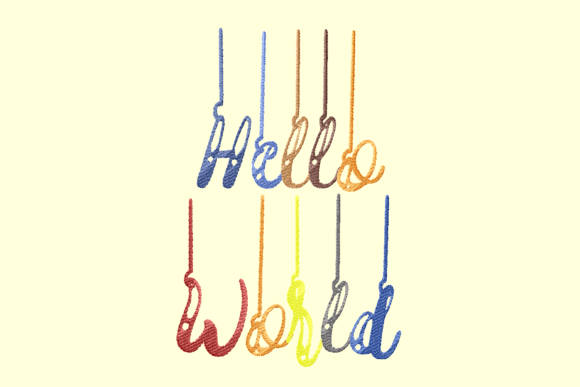
When I first pulled up the Hello World Lettering embroidery file from Creative Fabrica, I was looking for something that could anchor a small sweatshirt and hoodie collection for my boutique brand. As someone who spends hours testing stitch-outs and tweaking placement, I have a habit of judging a design by its first impression: the visual personality, the stitching mood, and the overall decorative strength. This lettering immediately struck me as playful yet versatile, with a casual, hand-drawn charm that feels both trendy and approachable. It is not overly precious or fussy, which is exactly what I need for apparel that aims to feel cozy, confident, and slightly whimsical.
Visual Personality and Stitching Mood of Hello World Lettering
The first thing I noticed about Hello World Lettering is its balance between cute and minimal. The letterforms carry a relaxed, slightly rounded energy that reads as friendly and modern without being childish. For boutique apparel decorators, this is a sweet spot: it works on kids' pieces but also translates beautifully to adult sweatshirts and tote bags. The design has a hand-lettered texture that suggests care and authenticity, qualities that Etsy sellers and small shop owners know resonate with buyers looking for something unique. I would describe the stitching mood as cheerful, confident, and slightly nostalgic, with a touch of rustic warmth that pairs well with neutral fabrics and pastel palettes. It feels premium in its simplicity, not flashy but clearly intentional.
How Hello World Lettering Performs Across Apparel Projects
In my studio, I tested Hello World Lettering on several garment types to see how it holds up in real production. Here is what I found across common applications:
- Sweatshirt embroidery and hoodie chest placement: This lettering sits beautifully on the left chest or center front of a classic crewneck sweatshirt. The moderate letter size and open negative space keep the design readable without overwhelming the garment. On fleece fabrics, the stitches anchor well, especially with a medium-weight cutaway stabilizer. The casual mood of the lettering matches the relaxed vibe of a hoodie, making it ideal for lifestyle product photos and social media graphics.
- Sleeve accents and back designs: Because the lettering is not overly dense, it works nicely as a vertical sleeve accent on sweatshirts or denim jackets. I also tested a centered back design on a oversized hoodie, and the lettering maintained its clarity across a wider hoop area. The slight irregularity in the hand-drawn style actually helps disguise any minor fabric distortion on larger placements.
- T-shirt embroidery and tote bag design: On lightweight cotton tees, the lettering stitched cleanly with a tearaway stabilizer and a standard ballpoint needle. The design does not pull or pucker when properly hooped. On canvas tote bags, the bold yet friendly look feels right for everyday carry and boutique merchandise. It adds a handmade product value that customers associate with quality and thoughtfulness.
- Boutique merchandise and printable mockups: I used the digital embroidery file to create mockups for Etsy listings, and the lettering photographed well in both flat lays and on-model shots. Its clean lines and approachable style make it easy to pair with simple graphics or standalone text designs for a cohesive collection.
Where to Use Hello World Lettering with Care
No design is perfect for every surface, and part of being a professional embroidery designer is knowing where a file might struggle. Here are a few areas where I suggest caution with Hello World Lettering:
- Small chest placement on very tiny garments: The lettering has a certain minimum size to maintain legibility. On infant onesies or very small baby tees, you may need to check the stitch density and scale. I recommend testing on a similar garment to confirm the letters read clearly at smaller sizes. For the Babies category, this design works best on toddler or older children's apparel rather than newborn sizes.
- Dense stitch areas and heavy fills: While the design is not overly dense, any embroidery file can cause issues on stretchy fabrics like ribbed cuffs or thin knits. I suggest using a sticky stabilizer or topping to prevent the stitches from sinking into the fabric. On fleece, a medium-weight cutaway stabilizer is your friend.
- Dark garments and thread color contrast: The lettering relies on clear negative space, so on dark fabrics, choose a thread color that pops without bleeding into the design. White, gold, or soft pastels work well. Test your thread colors against the fabric to ensure the hand-drawn feel remains visible.
- Curved surfaces and areas that stretch: If you are placing the design on a sleeve or a curved pocket area, be mindful of how the lettering may distort. The organic shape of the letters helps hide minor stretching, but I still recommend a test stitch-out on the actual garment type before scaling production.
How Hello World Lettering Affects Brand Identity and Buyer Trust
When I build a collection for my boutique brand, every design choice sends a message to my customers. Hello World Lettering communicates warmth, creativity, and a touch of playfulness. It is the kind of lettering that makes a sweatshirt feel like a conversation starter rather than just another basic layer. For small shop owners and Etsy sellers, using a distinctive embroidery file like this can elevate product recognition and help establish a consistent visual voice across your shop. The hand-drawn quality suggests a handmade product even when produced in small batches, which builds buyer trust and encourages repeat purchases. In a crowded market, that sense of authenticity is a real asset.
From a professional presentation standpoint, this lettering looks clean in product photos and holds its own in social media feeds. It does not scream for attention but quietly signals that care went into the design. That kind of understated confidence is exactly what I want for a line of everyday luxury apparel.
Practical Embroidery Designer Notes Before You Sew
Before committing to a full production run, I always run through a checklist with any new Creative Fabrica embroidery design. Here are my notes for Hello World Lettering:
- Test on scrap fabric first: Use the same fabric type and stabilizer you plan for the final product. This lets you inspect stitch density and thread tension without risking a garment.
- Check stabilizer choice: For stretchy or knit fabrics, a cutaway stabilizer is usually best. For stable woven fabrics, a tearaway may work. Always match the stabilizer to the fabric weight.
- Review thread color contrast: Test at least two thread color options against your fabric to see which one makes the lettering pop while preserving its hand-drawn character.
- Confirm hoop size: Make sure the design fits comfortably within your hoop without excessive re-hooping. If the file requires a larger hoop than you have, consider scaling or splitting the design.
- Inspect stitch density: Check the file in your embroidery software for any areas where stitches are overly tight or loose. Adjust if needed to prevent fabric puckering.
- Test on similar garment fabric: If you plan to use this on multiple fabric types, test each one separately. Fleece, cotton jersey, and denim all behave differently.
- Compare placement options: Try the design at chest height, slightly off-center, or as a back design. Sometimes the best placement is not the most obvious one.
- Check Creative Fabrica product details and licensing: Before selling finished apparel, review the licensing terms for this machine embroidery design. Confirm that commercial use is allowed for the type of products you plan to sell, whether physical goods or digital files like printable mockups.
Final Thoughts on Hello World Lettering for Boutique Apparel
After spending time with Hello World Lettering, I feel confident recommending it for a range of apparel and accessory projects. It brings a friendly, handmade energy to sweatshirt embroidery and hoodie design without sacrificing a polished finish. Whether you are building a small collection for your online shop, creating custom apparel for clients, or adding a fresh design to your Etsy shop, this lettering offers a solid foundation. The key is to test your materials, confirm your settings, and let the design's natural charm do the work. For any Creative Fabrica embroidery enthusiast looking to expand their portfolio with a versatile, appealing text design, this one earns a place in the rotation.