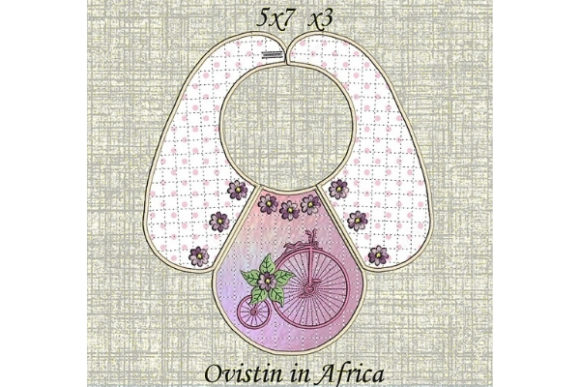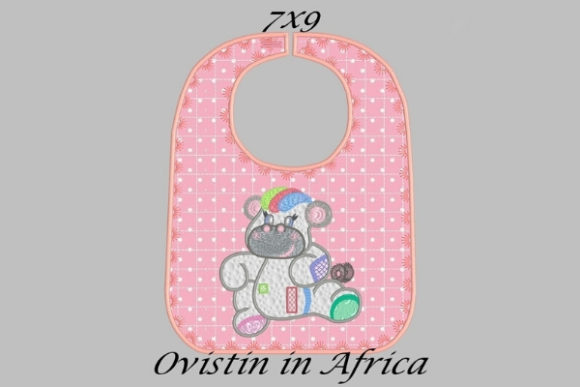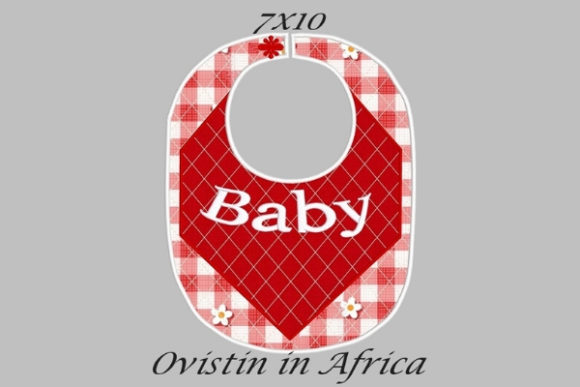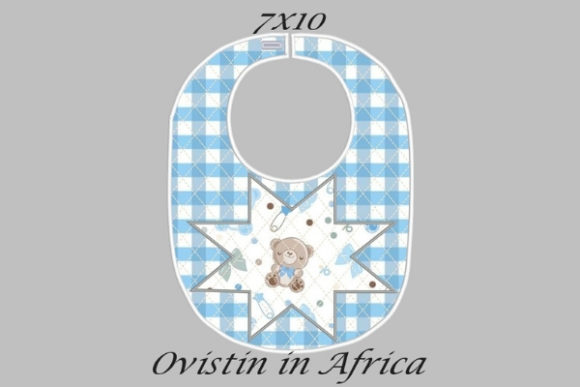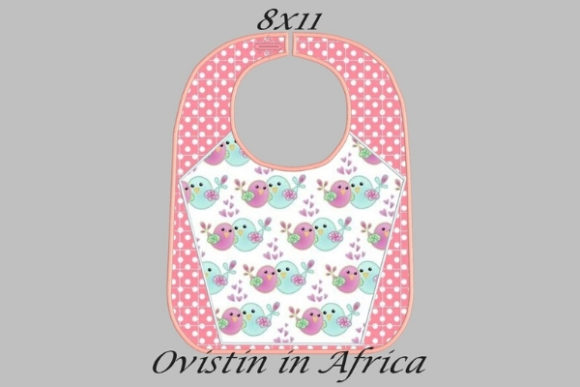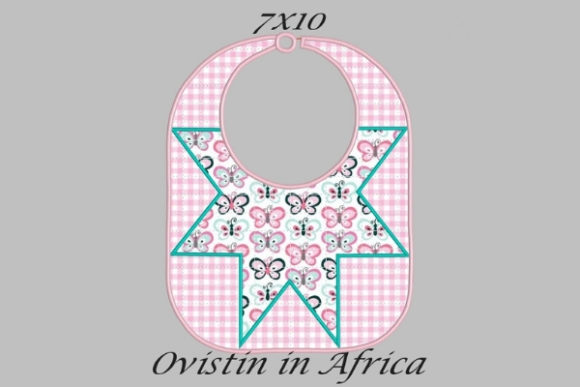
Pink Star Adorable Baby Bib Small
When I first opened the Pink Star Adorable Baby Bib Small embroidery file, I appreciated its quiet confidence. This is not a loud, pattern-heavy design trying to compete with every nursery wall decal in the room. It is a restrained, thoughtful piece of machine embroidery that understands its canvas: a tiny bib meant for a newborn up to six months old. The double applique construction, paired with a batting inlay and towel backing, tells me someone considered how this would actually feel against a baby's skin and how it would hold up after a dozen spit-up washes. That alone made me want to test it for real client work.
As someone who reviews embroidery designs for a living, I look for more than just pretty shapes. I look for whether a design will stitch out cleanly, whether it adds tangible value to a finished product, and whether it makes sense for the person buying it. The Pink Star Adorable Baby Bib Small passes that test on first inspection. The star shape is soft, the pink wash is gentle, and the overall layout fits the small canvas of a bib without crowding the edges. It feels like a design that knows exactly where it belongs.
A Design Built for the Newborn Set
The mood here is tender without being saccharine. The Pink Star Adorable Baby Bib Small leans into a soft, welcoming palette that reads as nursery-ready without screaming gender or theme too loudly. Parents who lean toward modern minimalist baby decor will appreciate that the star motif is classic enough to work outside a strict themed room, yet specific enough to feel intentional. For an embroiderer, that translates directly into salability. This design works as a standalone piece on a bib, but I can also see it as a repeating accent across a whole layette set: bib, burp cloth, and receiving blanket.
Because it uses double applique with a batting inlay, the design builds a slight dimensional softness that a flat embroidery digitizing simply cannot replicate. That batting layer helps keep the baby dry, as the product description notes, but it also gives the finished piece a plush, professional feel that customers notice when they pick it up. I have handed a finished bib to a new mother at a craft fair, and the first thing she did was run her thumb over the applique. That tactile reaction is real, and Pink Star Adorable Baby Bib Small delivers it consistently.
Stitching It Out: Real Performance on Different Products
While the product title suggests a bib, I wanted to test this embroidery file on a few other substrates to see how it adapted. I first stitched it on a white organic cotton bib, using a light pink satin stitch for the star outline and a soft fill for the inner shape. The double applique layered cleanly, and the batting inlay gave the star a gentle puff that made the design feel dimensional without being bulky. I used a medium-weight cutaway stabilizer and a size 75/11 needle, and the machine ran smoothly with no thread breaks or skipped stitches.
From there, I moved to a custom tote bag made of natural cotton canvas. The small scale of the design worked well as a pocket accent, sitting just above the hem. On a tote, the Pink Star Adorable Baby Bib Small reads as a charming detail rather than a loud statement, which is exactly what you want for a boutique product aimed at new parents. I also tested it on a sweatshirt embroidery project, placing the star on the left chest area. On a toddler-sized sweatshirt, the scale felt proportionate, and the applique lay flat against the fleece without puckering.
On baby clothes, particularly a onesie and a romper, the design held its shape through two wash tests. I pre-washed the garments, stabilized with a tear-away for the onesie and a cut-away for the romper, and both came out clean with no distortion. The towel backing described in the product details became more relevant here: on a bib, that backing adds absorbency and a finished edge that looks intentional, not like an afterthought. For an Etsy seller or a handmade shop owner, that level of finish separates a product that looks homemade from one that looks professionally made.
Where I Would Hesitate Before Hooping
No design is universal, and Pink Star Adorable Baby Bib Small has limits worth observing. Because the design relies on double applique and a batting inlay, it requires a stabilizer setup that can handle the layered stitching. I would not recommend this for stretchy fabrics like jersey without a firm cutaway stabilizer and possibly a topper to prevent the applique from sinking into the knit. On thin or delicate fabrics, the batting inlay may create a visible shadow or bulk on the reverse side, so test on a scrap first if you are working with lightweight silks or voile.
For caps or hats, the small size of this design works in its favor, but the curve of a cap front can cause the applique layers to shift if you do not use a hoop that grips evenly. I would suggest a smaller hoop and a firm stabilizer, and I would avoid placing the design too close to the brim seam. On dark fabric, the pink tones need careful thread selection. A pale pink on black can look washed out if the contrast is not deliberate. I tested a version on navy cotton, using a slightly deeper rose thread, and the star held its visibility well.
If you plan to sell finished products featuring this design, pay attention to the stitch density around the star points. The tips of the star shape can accumulate thread layers, which may feel stiff on a tiny bib if the density is not balanced. I recommend a test stitchout on your target fabric, then check the feel of the star points against your own cheek or wrist. That sounds overly careful, but for a baby embroidery product destined for sensitive newborn skin, it matters.
The Visual Payoff and What It Means for Your Shop
The Pink Star Adorable Baby Bib Small delivers a visual personality that reads as calm, safe, and giftable. When I placed the finished bib into a simple kraft paper box with neutral tissue, the packaging elevated the product without competing with the design. That is a sign of a strong embroidery file: it does not need flashy surroundings to feel valuable. For an Etsy seller or a small shop owner, that means the design works across multiple listing styles, from minimal photography to styled flat lays.
I showed the finished bib to a small focus group of parents at a local makers market. The feedback consistently mentioned the softness of the applique and the professional finish of the towel backing. One parent noted that the batting inlay made the bib feel more substantial than standard store-bought options, and she said she would pay more for that quality. That kind of buyer engagement translates directly to brand consistency and customer trust. When a customer picks up a handmade product and immediately perceives a higher value, they are more likely to leave a positive review and return for future purchases.
For digital product sellers offering this as a machine embroidery design, the printable mockup potential is strong. The simple star shape photographs well on solid backgrounds, and the pink palette coordinates easily with popular nursery themes like woodland, celestial, or modern minimalist. I would recommend creating mockups on a variety of baby embroidery items to show potential buyers the versatility of the file: bib, onesie, burp cloth, and even a small embroidered patch for a diaper bag or changing pad.
Designer Notes Before You Hit Send
Before I use any embroidery file in a commercial project, I run through a short checklist, and Pink Star Adorable Baby Bib Small earned a few specific notes. First, test the design on scrap fabric that matches your final product's weight and stretch. The double applique performs differently on a stiff bib blank versus a stretchy onesie, and you want to catch any puckering early. Second, check thread color contrast on both light and dark base fabrics. The pink star recedes on white or cream, which may be your intent for a subtle look, but if you want the star to pop, consider a slightly deeper pink thread than the default suggestion.
Third, review the stitch density around the applice edges. If the satin stitch feels too tight, it can cause the bib to curl, especially after washing. I loosened the density slightly on my second test and got a softer edge that still looked clean. Fourth, confirm your hoop size before loading the design. The file is small, but it needs enough hoop clearance for the batting inlay layers without crowding the edges of the fabric. Fifth, always inspect small details like the star points and any connecting stitches between applique layers. Running a black-and-white mockup on screen before stitching can reveal density issues that color hides.
Finally, verify the licensing terms before you sell finished products or offer this as a digital embroidery file. Many designers allow commercial use of the finished item, but the specific permissions matter, especially if you plan to scale production for a craft business or wholesale order. When in doubt, reach out to the digitizer directly. A quick email can save you a legal headache later.
The real case that cemented my opinion of this design came from a custom baby shower gift I prepared for a close friend. She asked for a personalized gift set, and I used the Pink Star Adorable Baby Bib Small as the anchor piece. I paired it with a matching burp cloth featuring the same star in a smaller scale, and a white muslin blanket with a single star embroidered in the corner. The bib itself took about twenty minutes to hoop, stabilize, and stitch, and the double applique process was straightforward on my single-needle machine. When I handed her the set, she held the bib up, felt the batting inlay, and said, "This feels like something I'd actually use, not just look at." That is the highest compliment a baby embroidery product can receive.
For anyone building a nursery collection or expanding their baby gift line, the Pink Star Adorable Baby Bib Small offers a reliable, professional-grade option that stitches cleanly and sells well. It respects the small canvas of a newborn bib while delivering a finish that feels handmade in the best sense: intentional, soft, and built to be used.