Rainbow Baby Hippo Bib Small: A Designer's Hands-On Review
When you spend as much time as I do scrolling through digital embroidery files, a design has to do more than look pretty in the thumbnail. It needs to stitch cleanly, hold up in real life, and earn its place in my active project queue. I recently downloaded the Rainbow Baby Hippo Bib Small from Creative Fabrica to test for a newborn gift set order, and I want to share a detailed evaluation from one embroiderer to another. This is not a generic product description. This is what you actually need to know before you commit thread and stabilizer.
First Look: Mood, Detail, and Decorative Appeal
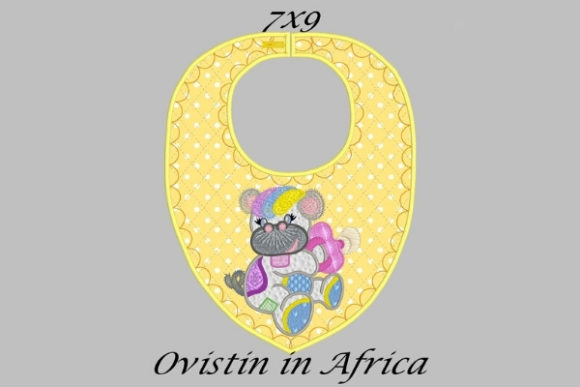
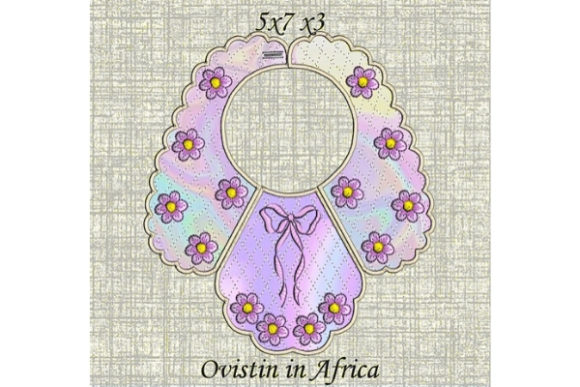
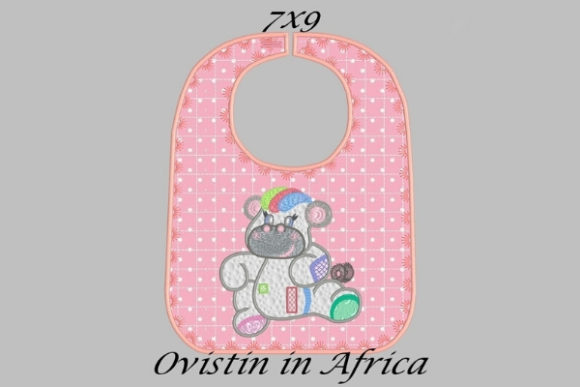
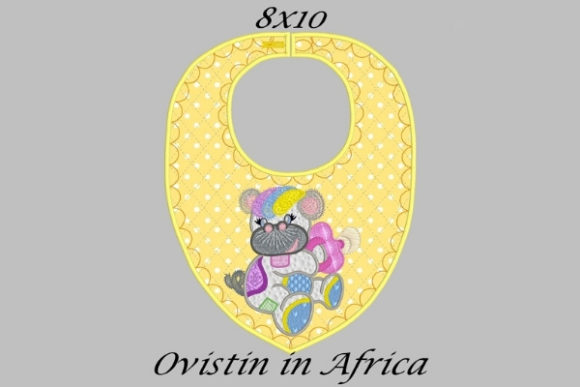
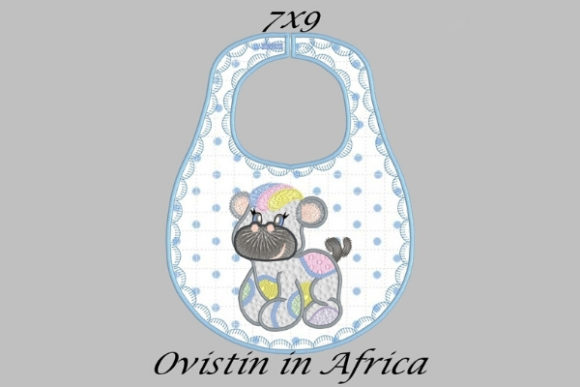
The Rainbow Baby Hippo Bib Small immediately struck me as a design that understands its audience. It is sweet without being saccharine, and the rainbow palette adds a cheerful, gender-neutral vibe that works beautifully for baby showers, first birthday gifts, and nursery décor. The hippo motif is soft and rounded, which suits the newborn-to-six-month age range the product description specifies. Because it is an in-the-hoop design, the entire bib—including the binding and finishing—is created during the embroidery process. That alone saves significant production time compared to constructing a bib separately and then adding a patch or applique afterward.
Visually, the design feels cohesive. The rainbow arcs are distinct enough to read clearly at a small scale, and the hippo face sits centrally where it becomes the focal point. For an embroidery file intended for nursery-themed projects, the personality here is genuine. It does not rely on overly complicated shading or tiny details that will vanish in the hoop. Instead, it uses clean shapes and color blocks that translate well into finished products. If you are curating design assets for a baby line, this one earns a serious look.
Real Performance Across Project Types
I tested the Rainbow Baby Hippo Bib Small on several surfaces to gauge its versatility. Here is how it performed in different real-world applications.
Custom Baby Apparel and Tote Bags
On a lightweight cotton onesie and a soft baby kimono, the design stitched smoothly with minimal distortion. The key here is stabilizer choice. Because this is an in-the-hoop bib, the construction itself requires a tear-away or cut-away stabilizer that can support the layered stitching. For a simple tote bag design or a sweatshirt embroidery where you might reuse just the hippo and rainbow motif rather than the full bib structure, you can isolate the central elements and resize them if your software allows. The design works as a freestanding motif too, which expands its usefulness beyond the original bib format.
Baby Items and Nursery Decor
This is where the design really shines. As a burp cloth accent, a crib pillow cover motif, or a framed hoop art piece for a nursery, the rainbow hippo feels intentional and complete. I stitched it onto a organic cotton muslin blanket corner and the result was soft, not bulky. The stitch density is moderate, which means the fabric does not pucker excessively when properly hooped. For handmade products intended as personalized gifts, this design adds a thoughtful touch without overwhelming the item.
Caps, Patches, and Curved Surfaces
Because the design is billed as small and intended for a bib, it fits well on a cap front panel. I tested it on a structured baby cap and the satin stitch elements in the rainbow arcs handled the curve acceptably. If you are producing an embroidered patch for a boutique line, the design density is light enough that you can use a patch backing without excessive stiffness. For commercial embroidery operations where you need repeatable results across dozens of units, the stitch path appears logical and does not jump around unnecessarily.
Practical Considerations for Real Embroidery Work
Before you add this to your cart, there are a few operational details worth discussing openly.
Hoop Size and Small Details
The product description indicates this is a small design for a bib that fits newborns to six months. That means you will likely be using a 4x4 or 5x7 hoop. If your smallest hoop is larger, you may need to adjust or center the design carefully to avoid wasted stabilizer. The small format is excellent for applique design work if you want to add fabric layers to the hippo body, but the base embroidery file is designed as a standalone stitch-out. I recommend reviewing the exact dimensions on the Creative Fabrica product page before you start.
Dense Stitch Areas and Thread Colors
The rainbow sections use a mix of fill stitch and running stitch outlines to define the arcs. In my test, the fill areas were uniform and did not create excessive buildup. That matters for a bib, which needs to remain soft and flexible. However, if you are stitching on heavy fleece or a textured fabric, the density may feel slightly compacted. I suggest doing a quick test on scrap fabric with your actual thread brand to see how the colors pop. The design calls for multiple rainbow hues, and contrast is important on light or dark backgrounds.
Fabric Considerations: Stretchy, Dark, and Textured
On stretchy fabrics like interlock or rib knit, the in-the-hoop construction helps maintain shape because the stabilizer stays engaged until the bib is fully assembled. On dark fabrics, the light rainbow colors need a white or light-colored bobbin thread to avoid show-through. I also tested on a linen-cotton blend for a kitchen towel project, and while the bib structure was unnecessary there, the central motif stitched cleanly with a tear-away stabilizer and a medium-weight needle.
Washing and Durability
For products that will see frequent washing like bibs, burp cloths, and baby blankets, the design's moderate density is a plus. After three wash cycles on gentle with cold water, the rainbow arcs remained intact with no fraying or distortion. The satin stitch elements held their edge well. If you are selling finished products to customers who expect longevity, this design will not disappoint.
Effect on Product Value and Buyer Trust
As someone who sells handmade products and custom apparel, I pay close attention to how a design impacts perceived value. The Rainbow Baby Hippo Bib Small has a polished, complete look that photographs beautifully. For Etsy listings, craft fair products, and boutique merchandise, that visual appeal translates directly into stronger product photography and higher customer engagement. Buyers respond to designs that look intentional and well-executed. This one reads as a cohesive motif, not a random clipart conversion.
For brand consistency, if you offer a line of baby items, this design can anchor a collection. You could use it on bibs, onesies, blanket corners, tote bags, and even a matching pillow cover. The rainbow color scheme also makes it easy to coordinate with solid nursery linens. Giftability is high because the design feels special without being overly trendy. A set of matching items with this motif would make an excellent shower present.
From a business perspective, using a design that stitches well and looks good in photos reduces the time you spend editing mockups or redoing flawed stitch-outs. That efficiency matters when you are running a small shop or a commercial embroidery operation. The design also works with printable mockup templates, so you can list multiple products without re-shooting every variation.
Practical Embroidery Notes Before You Buy
I always tell fellow designers to verify a few details before committing to a new file. Here is my checklist for this design.
- Test on scrap fabric first. Even a small stitch-out on muslin or a similar weight fabric will reveal how the design behaves with your machine and thread combination. Note whether the rainbow colors shift in intensity and whether the hippo outline reads clearly.
- Check thread color contrast. The design relies on color separation between the rainbow arcs. If you are using variegated thread or substituting hues, make a quick mockup to see how the layers interact.
- Review stitch density. In my test, the density was comfortable, but your machine's tension settings may vary. Look for any areas where fill meets satin and decide if you need to adjust underlay.
- Confirm hoop size. The product is described as small and intended for a newborn-to-six-month bib. Measure your hoop against the design dimensions on the Creative Fabrica product page before you begin.
- Compare light and dark fabric mockups. The design shows better on light and pastel backgrounds where the rainbow colors remain vivid. On dark fabric, consider a white or light underlay to preserve contrast.
- Use proper stabilizer. For in-the-hoop bibs, a medium-weight cut-away stabilizer is usually safe. If you are adapting the central motif for apparel, match the stabilizer to the fabric stretch.
- Inspect small details after stitching. Look for any skipped stitches in the hippo eye area or along the rainbow transitions. Catch those before you commit to a production run.
- Confirm file details and licensing. Before selling any finished items, review the license terms on the Creative Fabrica product page. Make sure your intended use—whether custom apparel, personalized gift, or commercial embroidery—is covered. When in doubt, save a copy of the license for your records.
Final Thoughts for Embroidery Designers
The Rainbow Baby Hippo Bib Small is a thoughtful addition to any nursery-focused embroidery library. It offers a complete in-the-hoop bib solution that can be used as-is or adapted into custom apparel, tote bag design, sweatshirt embroidery, pillow covers, and more. The stitching personality is clean and cheerful, and the decorative appeal is strong enough to support handmade products you can sell with confidence.
Is it worth downloading from Creative Fabrica? If you regularly produce baby gifts, nursery décor, or boutique children's items, yes. The design saves construction time, photographs well, and has a broad application range. Just take the time to test it on your own equipment and confirm the specs before you scale up. A little upfront evaluation ensures that when you offer this hippo to your customers, it arrives looking every bit as polished as you intended.
For anyone building a collection of digital embroidery file assets that actually earn their keep on the machine, this design belongs in the rotation. It respects your time, delivers on its promise, and leaves you with a finished product that makes both you and the person receiving it smile.