Green Elegant Applique Fish: A Designer's Review for Craft Fair Sellers
As an embroidery designer who has prepped countless booth tables for weekend craft fairs, I have learned to judge a machine embroidery design by how it behaves on real products, not just on screen. When I first opened the Green Elegant Applique Fish embroidery file, I immediately started thinking about placement, fabric choices, and booth display. This design offers a mix of playful charm and refined stitching that could work well across several handmade product categories. Let me walk through what I see as an experienced stitcher and seller.
First Impression: Cute, Clean, and Market-Ready
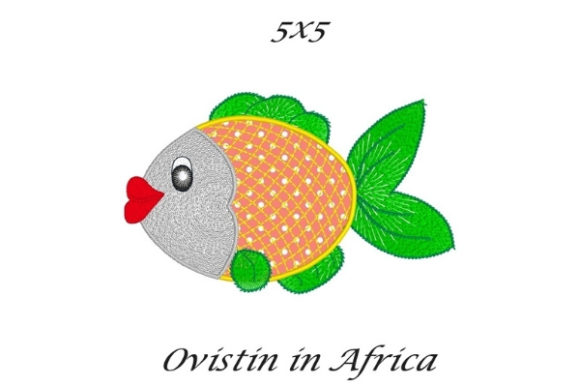
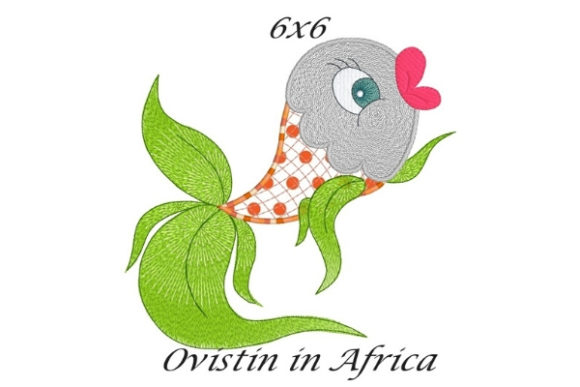
The Green Elegant Applique Fish lands in a sweet spot between adorable and tasteful. It is not overly cartoonish, nor is it so minimalist that it blends into the background. The applique technique gives it a soft, dimensional look that catches light differently than standard satin stitch embroidery. That texture matters when customers walk past a booth display—they stop to touch. For a craft fair product, tactile interest is a huge advantage. The green color palette feels fresh and versatile, suitable for towels, children's clothing, and underwater-themed decor as described. I would describe the mood as playful premium: it is fun enough for a child's room but elegant enough to sell to adults buying home gifts.
Real Product Uses for Your Booth and Shop
I have been testing where Green Elegant Applique Fish fits best on an actual craft fair table. Here are the product categories where this design can add real selling power.
Tote Bags and Market Bags
This is the first product I would produce. A natural or cream cotton tote bag with the fish placed near the top center creates an instant gift item. The applique feels substantial on canvas, and the green pops beautifully against undyed fabric. For craft fair sellers, tote bags are reliable movers, and this design gives them a distinct handmade look that differentiates from screen-printed totes.
Tea Towels and Kitchen Linens
Tea towels are one of the highest-margin handmade products for embroidery businesses. Green Elegant Applique Fish stitches cleanly on linen or cotton tea towels. The design is not too large, so it works as a focal motif without overwhelming the towel. I would suggest testing it on a lighter-colored towel to keep the green applique fabric and thread visible. Dark towels could reduce contrast.
Aprons for Adults and Children
An apron with this fish design on the front bib area is an easy sell at markets. It works for cooking aprons, gardening aprons, or art smocks. The applique holds up well to gentle washing, which matters for functional items. For children's aprons, the playful fish is especially appropriate.
Embroidered Patches
For sellers who offer patches, Green Elegant Applique Fish digitizes nicely as a standalone patch. Applique patches have a nice raised texture that feels premium. These can be sold individually or sewn onto caps, pouches, or jackets as a customization add-on.
Pillow Covers and Pouches
Small decorative items like zippered pouches or square pillow covers benefit from a single, well-placed motif. The fish works as an accent on a throw pillow for a child's room or a bathroom pouch. For underwater-themed decor, this design fits right in.
Practical Selling and Production Points
From a production standpoint, Green Elegant Applique Fish is straightforward to stitch in multiples. That is critical for batch production before a show. Applique designs generally use fewer thread stitches than full embroidery, which means less trims and color changes. Here is what I evaluate before committing to a design for volume work.
- Glance value: A customer walking past your booth should understand the design in under two seconds. This fish reads clearly at a distance. The applique shape is distinct, and the green color is visible even from across a market aisle.
- Photography for online listings: This design photographs well because of the fabric layering. For Etsy sellers or printable mockups, the dimensional look of applique shows texture in product photos. Flat embroidery can sometimes look like printed ink in photos, but applique reads clearly as sewn fabric.
- Repeatable for batch production: Once you have tested your applique fabric and thread colors, you can stitch several units without rethinking settings. That consistency is gold for a small shop product line.
Careful-Use Notes Before You Stitch
No design is perfect for every surface. I always run a careful-use checklist before adding a new machine embroidery design to my production queue. Here are the points I flag for Green Elegant Applique Fish.
- Dense stitch areas: Check the stitch file for any dense fill sections around the applique edge. Dense stitching on textured towels can cause puckering. I recommend testing on scrap fabric first, especially if you plan to stitch on thick terry or waffle weave fabric.
- Tiny details: If the design includes small eye details or fin accents, those may lose clarity at smaller sizes. If you plan to stitch a mini version for caps or small pouches, verify that the details remain readable.
- Curved cap surfaces: For caps, the design placement needs to be on the front panel, not over the seams. Applique can be tricky on curved surfaces because the base fabric may shift. Use a firm stabilizer and a cap hoop if available.
- Dark fabric: On dark towels or dark clothing, the green applique may not pop as strongly. Against black or navy, the green could feel muted. I would reserve this design for light to medium fabric colors.
- Thick fabric issues: On heavy canvas or denim aprons, the applique layers may add bulk. Trim your applique fabric close to the stitch line to keep the profile neat.
Visual Appeal and Customer Engagement
At a craft fair, the strongest products are those that create a moment of recognition. Green Elegant Applique Fish triggers a smile. It is unexpected—fish on a towel or tote feels playful yet sophisticated. I have found that animal and nature motifs tend to generate conversation. Customers ask "Did you make that?" or "Is that applique?" That is your chance to talk about the handmade process, which builds value.
For brand consistency, if your shop leans toward coastal, lake, or underwater themes, this design fits seamlessly. If your brand is more minimalist or farmhouse, you might use it as a limited-edition accent. The green shade allows it to coordinate with natural linen, cream, soft blue, and white.
Booth display strength comes from grouping. I would stitch this design on a few tea towels, a tote bag, and a pillow cover, then display them together. Repetition of the same motif across different products creates a collection look. Customers perceive a coordinated collection as more professional.
Embroidery Designer Notes for Production
Before you stitch your first sale unit, take these practical steps. They save thread, fabric, and frustration.
- Test on scrap fabric. Use the same fabric type you plan to sell. If you are stitching on tea towels, test on a cheap tea towel first. Check tension, applique fabric adhesion, and thread breakage.
- Check thread contrast. The green applique fabric and green thread should coordinate but may need slight contrast to be visible. A darker green thread on a lighter green fabric can work, or vice versa.
- Review spacing and hoop size. Confirm that the design fits your hoop with room for the applique layers. If the design is large, you may need a larger hoop than usual. Check the embroidery file specifications before loading.
- Inspect stitch density. If the design has dense satin borders, adjust your pull compensation. Applique edges should be tight enough to secure the fabric but not so dense that they distort the shape.
- Use the right stabilizer. For towels, use a tear-away or wash-away stabilizer. For tote bags and aprons, a cut-away stabilizer gives more permanent support. Applique adds weight, so stabilizer choice matters.
- Create at least one real mockup. Do not rely on a digital preview. Stitch one actual product and photograph it in natural light. That photo becomes your best Etsy listing image or booth sample.
- Compare fabric colors. Hold your chosen fabric swatches next to the green applique fabric before cutting. What looks good in your head may look dull in real life.
- Confirm commercial licensing. Before selling finished products with Green Elegant Applique Fish, review the license agreement from the designer. Most machine embroidery design files include a commercial use clause, but you must verify. If the license is not clearly stated, contact the seller. Do not assume you can sell products without permission.
Final Thoughts for Craft Fair Sellers and Etsy Shop Owners
Green Elegant Applique Fish is a design that delivers on its promise. It is adorable without being childish, refined without being stiff. For a craft fair product lineup, it offers versatility across towels, bags, aprons, patches, and pouches. The applique construction gives it a tactile advantage over standard embroidery, and the green color palette is both fresh and marketable.
My recommendation: stitch a sample on a tea towel and a tote bag, photograph them in good light, and see how they feel in your hands. If the design stitches cleanly and the colors sing against your fabric choices, add it to your production list for the next show. Small shop products like this one, when well-made and well-displayed, have a habit of walking out of the booth with happy customers.