Shark Scribble Stitch: A Hands-On Review for Craft Fair Sellers
Why This Machine Embroidery Design Stops Shoppers Mid-Aisle
When you run a weekend craft fair booth, you learn to spot a winning machine embroidery design within seconds of opening the file. I have tested hundreds of embroidery file packs over the years, and Shark Scribble Stitch grabbed my attention immediately. It lands in the sweet spot between bold and playful, with a hand-drawn quality that feels fresh without looking unfinished. If you sell at handmade markets or run a small embroidery business from home, this design deserves a close look before your next show.
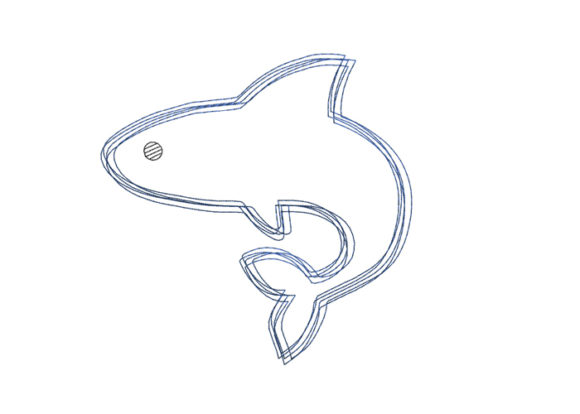
The first impression of Shark Scribble Stitch is confident and approachable. It is not a fussy or delicate motif. It carries a sketch-like energy that reads as modern and slightly whimsical, making it equally suited for kids' items and adults who appreciate coastal or ocean-inspired decor. That broad appeal matters when you are trying to move inventory across different customer types at a single craft fair. I immediately thought of tote bags, kitchen towels, and caps as natural homes for this design, and the more I studied the file, the more product ideas surfaced.
Tote Bags and Market Bags
Tote bag design is one of the highest-margin categories at any handmade market, and Shark Scribble Stitch works beautifully as a centered focal piece or a smaller accent near the top edge. The scribble style gives it a relaxed, artistic feel that photographs well for Etsy seller listings. I recommend testing it on a natural cotton tote first. The contrast between the organic stitch lines and the woven fabric texture creates a look that customers perceive as premium without being precious. For a craft fair product, this is exactly the balance you want: eye-catching but durable enough for daily use.
Aprons and Kitchen Linens
Aprons sell themselves when they feature a memorable motif, and apron embroidery with Shark Scribble Stitch feels especially strong for sellers who target home cooks, barbecue enthusiasts, or parents looking for fun family gifts. I would place the design on the chest panel of a canvas apron or in the center of a tea towel embroidery project. The design reads clearly from a few feet away, which matters when booth traffic is heavy and shoppers scan quickly. Tea towel embroidery with this design also makes an excellent low-cost entry item for customers who may return later for a higher-priced bag or cap.
Embroidered Patches and Small Pouches
Embroidered patch production is a smart strategy for batch production, and Shark Scribble Stitch adapts well to a patch format. I suggest stitching it on twill or felt, cutting close to the outline, and adding a heat-seal backing. Patches sell fast at craft fairs because they are affordable, giftable, and easy to stock. Small fabric pouches and zippered cases also benefit from this design. A single embroidery file can produce a run of ten pouches in an afternoon, and the consistent quality makes your brand look reliable. For digital embroidery file sellers, this design is a strong addition to a product line because it translates across multiple formats.
Caps and Pillow Covers
Embroidering on curved cap surfaces always presents challenges, but Shark Scribble Stitch handles the curve well because the scribble style does not rely on rigid symmetry. I recommend using a firm stabilizer and a cap frame to prevent shifting. The design holds its personality even when slightly distorted by the cap shape, which is a rare advantage. For pillow covers, consider a 12-inch or 14-inch hoop size and a medium-weight linen or cotton blend. The design works as a standalone accent or paired with a simple quote. If you produce handmade product lines for coastal markets or summer fairs, this motif could anchor an entire booth display.
Batch Production Notes for the Busy Embroidery Business
Efficiency is everything when you are preparing for a weekend show. Shark Scribble Stitch comes in five sizes, which gives you flexibility without requiring multiple embroidery file purchases. That alone simplifies your workflow. I recommend running a test stitch of the smallest and largest sizes on scrap fabric before committing to a bulk run. Verify that the stitch density remains manageable at every size. A design that stitches out cleanly in 10 minutes is far more profitable than one that takes 20 minutes per unit, especially when you are producing 30 or 40 items for a single market.
Thread colors are another consideration. The color chart is included, which saves time during setup. I advise selecting a thread palette that contrasts sharply with your base fabric. A dark navy or charcoal fabric with a bright white or aqua stitch will pop across a crowded booth. Lighter fabrics benefit from deep teal or ocean blue thread. Always check your bobbin thread color as well. Nothing slows a production run faster than a bobbin that shows through on a light-colored tote bag.
Photographing and Listing Shark Scribble Stitch for Etsy
Your online presence matters even if you primarily sell in person. Printable mockup files help you create consistent Etsy seller listings, but a real stitched sample is worth ten digital renderings. I recommend stitching one finished product specifically for photography. Place it on a neutral background with natural light. Capture a close-up that shows the scribble texture and a lifestyle shot that shows the product being carried or worn. Design assets like the color chart and size guide should be included in your listing photos so customers understand exactly what they are purchasing.
For small shop product listings, emphasize the versatility of the design. Mention that it works for unisex and children's products, that it suits both casual and coastal decor, and that the five sizes allow for creative placement. If you sell the digital embroidery file itself, include a clear commercial embroidery license statement. Buyers want to know they can use the design for finished product sales without legal concerns.
Critical Stitching Notes Before You Hoop Up
Every experienced embroidery designer knows that careful testing separates a profitable product from a frustrating one. Here are the specific points I check when preparing Shark Scribble Stitch for market production:
- Test on scrap fabric first. Run the design on a piece of cotton, linen, and a towel to see how the stitches behave on different fabric texture levels.
- Check thread contrast against your intended fabric. Scribble styles can read as messy if the contrast is too low. A high-contrast thread color makes the design look intentional and sharp.
- Review spacing and density. Dense stitch areas can cause puckering on lightweight fabric. If you see pull or distortion, adjust your stabilizer choice. A tear-away stabilizer works well for most woven fabrics, but a cut-away stabilizer is safer for knits and caps.
- Confirm hoop size for each of the five sizes. Mark your hoop boundaries on the fabric before stitching to ensure centering, especially if you are producing multiple identical items for a handmade product batch.
- Inspect stitch density by running a single color test. If the fill areas are too heavy, consider reducing the density by 5 to 10 percent in your software. This speeds up production and reduces thread breaks.
- Create at least one real mockup before cutting fabric for a bulk run. A stitched sample reveals issues that the digital file cannot show, such as small details that lose clarity at smaller sizes.
- Compare fabric colors under booth lighting. A color that looks great in your studio may appear dull under fluorescent market lights. Stitch a sample on the exact fabric you plan to sell.
- Confirm commercial licensing before selling any finished product. Most designers include a standard license with the purchase, but verify that you are covered for commercial embroidery production at craft fairs and online shops.
Small lettering is not present in this design, which is a relief. Narrow letters often cause trouble at smaller hoop sizes, but the scribble aesthetic avoids that pitfall entirely. However, if you plan to add a name or custom text below the shark motif, test the combined file for spacing and legibility before production.
What This Design Means for Your Craft Fair Bottom Line
Shark Scribble Stitch is not a farmhouse or rustic design, and it does not try to be elegant. It is bold, playful, and conversation-starting. Those qualities translate directly into customer attention. Shoppers at handmade markets are looking for items that feel unique and personal. A tote bag or apron featuring this design stands out from the sea of generic florals and monograms. If you position it as a beach-ready, fun, or giftable item, you give buyers a reason to stop at your booth.
From a production standpoint, the five sizes and included color chart reduce your prep time. The design stitches cleanly on most medium-weight fabrics when you use proper stabilizer and thread contrast. It photographs well for Etsy seller listings, and it adapts to a wide range of craft fair product categories. For embroidery business owners who want a design that moves inventory without constant troubleshooting, this is a solid choice.
I have been stitching and selling embroidered products for over a decade, and I recognize a design that respects the maker's time. Shark Scribble Stitch gives you room to be creative without fighting the file. Add it to your production rotation, test it on your favorite blanks, and take it to your next market. If you price it right and display it well, you will likely stitch more than one batch before the season ends.