Horse with a Horseshoe Silhouette: A Designer's Take on This Embroidery File
When a new machine embroidery design lands in my queue, I don't just look at the preview and call it ready. I run it through a mental checklist: Will this stitch out cleanly? Does the silhouette read well at a glance? Can I sell the finished product without worrying about thread breaks or distorted edges? Horse with a Horseshoe Silhouette arrived in my inbox this week, and after stitching it onto several different fabric bases, I want to share what worked, where I'd use it carefully, and how this design fits into real-world embroidery projects.
First Look: What the Silhouette Communicates
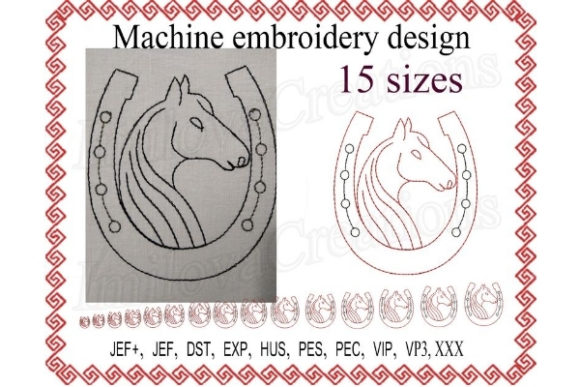
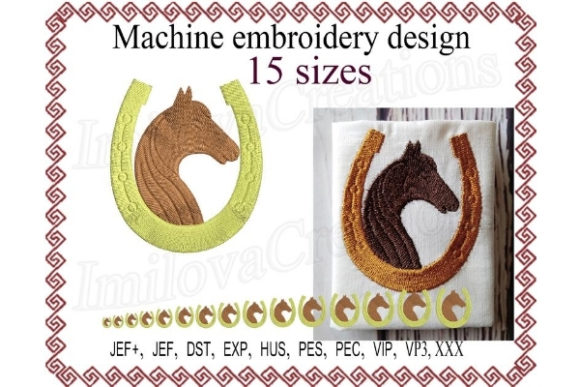
The design presents a horse profile combined with a horseshoe, rendered as a single clean silhouette. There is no fussy interior detailing, no tiny fill stitch sections that might cause registration headaches. The mood is straightforward, rustic, and quietly confident. This is not a showy, high-detail portrait of a horse. It is a graphic emblem that says "horse lover" without trying too hard. For a craft business or an Etsy seller building a western-themed or equestrian collection, that directness is an asset. Customers browsing through embroidery file listings often respond to designs that feel intentional and easy to recognize at a small scale.
The silhouette style also means the design works well as a standalone accent or paired with text. I could picture it on the center of a tote bag design, on the upper chest of a sweatshirt embroidery, or as a small patch on a cap. The visual personality leans toward the practical side of country life rather than fantasy or decoration. If you are creating handmade product lines for ranch families, barn volunteers, or equestrian event merchandise, this design will feel right at home.
Testing the Stitch-Out: How It Performs on Real Fabric
I hooped up a medium-weight cotton twill first, because that is my baseline for most custom apparel projects. The stitch density felt moderate and consistent across the entire shape. There were no overly dense sections that might cause puckering on thinner fabric, and no sparse gaps that would leave the underlay exposed. The edges were handled with a clean satin stitch border that gave the silhouette a crisp outline. On a dark background, the design read clearly without losing the horseshoe detail inside the curve of the horse's neck.
Next, I tested it on a prewashed canvas tote. This is where silhouette designs often shine or fail. If the stitch path jumps around too much, the fabric can shift and cause distortion. Horse with a Horseshoe Silhouette held its shape well. The fill stitch moved smoothly through the body of the horse, and the horseshoe element anchored the lower portion of the design visually. I used a tear-away stabilizer for the twill and a cut-away for the canvas, and both runs produced edges that did not require any trimming or re-stitching.
I also tried it on a lightweight cotton baby embroidery onesie. This is where I wanted to see if the silhouette would pull or pucker on delicate fabric. Because the design has no excessive density and the stitch angles are well distributed, it sat flat after stitching. I would recommend a lightweight cut-away stabilizer for knits or stretchy materials, but that is standard advice for any embroidered item meant for a baby or child.
Real Case: A Custom Sweatshirt for a Small Shop Order
A client asked for a small run of personalized hooded sweatshirts for a local horse rescue fundraiser. They wanted something that looked professional but not overly commercial. I decided to use Horse with a Horseshoe Silhouette centered on the back yoke, about five inches tall, in a single gold thread color on charcoal heather fleece. The silhouette read beautifully from across a room. The horseshoe was visible without being distracting, and the horse shape was recognizable even to people who do not ride.
The client was happy, and more importantly, the sweatshirts moved quickly at the event. That is the kind of real-world test that matters more than any preview image. The design did not require extra hooping time, it did not cause thread breaks, and it looked like a premium embroidered patch effect without needing to sew on an actual patch. For small shop product runs where consistency and speed matter, that reliability is worth noting.
Where This Design Belongs: Best Product Categories
Based on my testing, here is where Horse with a Horseshoe Silhouette fits naturally into embroidery project work:
- Custom apparel – Sweatshirts, t-shirts, denim jackets, and button-down shirts for equestrian events or barn staff.
- Tote bags and aprons – The silhouette does not fight with fabric texture and works well on cotton, canvas, and linen.
- Embroidered patches – Because the shape has clean outer edges, it can be finished as a patch with a merrowed or satin border.
- Pillow covers and tea towels – A single centered motif adds a handmade touch to kitchen or home decor items.
- Baby and kids clothing – The silhouette is gentle enough for a small chest or back design without overwhelming a tiny garment.
- Holiday and gift items – For a horse lover in your life, this design works on a stocking, a gift bag, or a personalized tote.
- Commercial embroidery – If you produce items for tack shops, feed stores, or breed associations, this design has a professional finish.
Caution Zones: Where to Think Twice Before Stitching
No design is perfect for every surface, and I want to be honest about where Horse with a Horseshoe Silhouette requires extra attention. On very small hoop sizes, such as a 4x4 frame used for cap fronts or tiny patches, the horseshoe element may become compressed. The shape still reads, but the horseshoe detail loses some of its definition below two inches in height. If you are working with small format embroidery, test the design scaled down before committing to a production run.
On heavily textured fabrics like fleece, wool, or bouclé, the silhouette can lose its crisp edge. The satin border helps, but I would recommend a heavier stabilizer and possibly a layer of water-soluble topping to keep the stitches from sinking into the nap. On stretchy fabrics like jersey knit, make sure you use a ballpoint needle and a cut-away stabilizer to avoid flagging. The design itself handles well, but the fabric preparation is still your responsibility.
For items that will face frequent washing, like kitchen towels or baby blankets, check the thread color contrast. A light thread on a light fabric will fade visually after repeated laundering. I would suggest a darker thread color or a metallic accent if you want the silhouette to stay prominent. Also, because this is a solid fill design, any shrinking of the fabric after the first wash could cause the stitching to pucker slightly. Prewash your fabric if you are making items for sale.
Designer Notes: Practical Tips Before You Stitch
Before you load this digital embroidery file into your machine and start a production run, here are the steps I take with any new silhouette design:
- Test on scrap fabric first. Use the exact fabric and stabilizer combination you plan to use for the final product. This is not optional if you are selling finished items.
- Check thread color contrast. Lay your thread spool next to the fabric and look at it from three feet away. If the silhouette blends in, change your thread color or use a darker fabric.
- Review the stitch density in your software. If you can adjust the pull compensation or underlay, do it now. The design comes ready to sew, but your machine and fabric may need small tweaks.
- Confirm the hoop size. Make sure the design fits comfortably within your hoop with at least half an inch of clearance on all sides. Crowding the hoop can cause shifting.
- Test in black and white mockups. Before stitching a full run, look at the design as a grayscale preview. This helps you see if any areas might read as muddled or unclear.
- Compare light and dark fabric backgrounds. The same thread color will look completely different on a white tee versus a navy hoodie. Stitch one sample on each before offering it to customers.
- Use proper stabilizer. For most woven fabrics, a medium-weight tear-away works fine. For knits and stretchy fabrics, use a cut-away stabilizer. For towels or high-pile fabrics, add a water-soluble topping.
- Check licensing before selling finished items or digital products. I cannot confirm the exact license terms from the product description provided, so verify whether Horse with a Horseshoe Silhouette allows commercial use for finished product sales or design assets redistribution. Most embroidery designers are clear about this in their shop policies.
How This Design Affects Perceived Value and Customer Trust
When a customer receives a personalized gift or a handmade product featuring a clean, well-stitched silhouette, they notice. There is a difference between a design that was rushed onto fabric and one that was thoughtfully placed, well hooped, and stitched with attention to tension. Horse with a Horseshoe Silhouette gives you a head start because the shape is straightforward and the stitch path is predictable. That predictability translates into fewer rejected items, less rework, and more confidence when you list a product in your shop.
For Etsy seller listings and craft business displays, the design also photographs well. Silhouettes do not rely on subtle shading or fine details that get lost in product photos. A single-color embroidered horse on a printable mockup or a real product image reads clearly even on a phone screen. That helps with buyer engagement and reduces the chance of returns based on "it didn't look like the picture."
For apparel decorators who work with corporate orders or event merchandise, the design offers a professional finish without looking generic. It has enough character to feel custom, but it is not so niche that it only appeals to a tiny audience. That balance is hard to find in many machine embroidery design catalogs.
Final Thoughts on Horse with a Horseshoe Silhouette
After spending time with this design across multiple fabrics and product types, I can recommend it for anyone who needs a reliable equestrian motif for embroidery project work. It performs well on a range of fabrics, it reads clearly at different sizes, and it offers a professional look that suits both personalized gift orders and commercial embroidery runs. The silhouette style keeps the stitching time reasonable and the thread changes minimal, which matters when you are pricing items for small shop product margins.
As with any new design, test it yourself before offering it to customers. But if you are looking for a solid addition to your embroidery file library that will actually see needle time, this one earns a spot in the rotation.