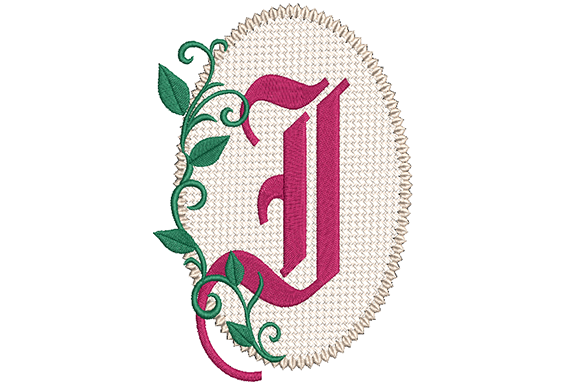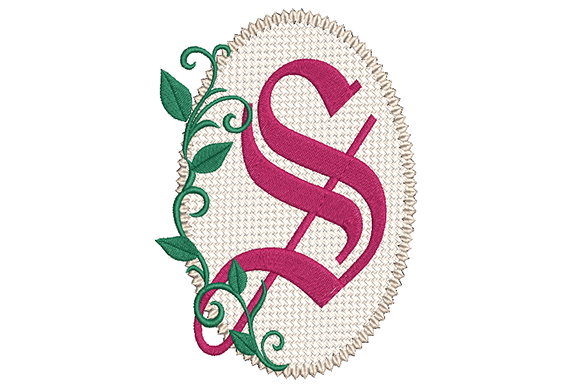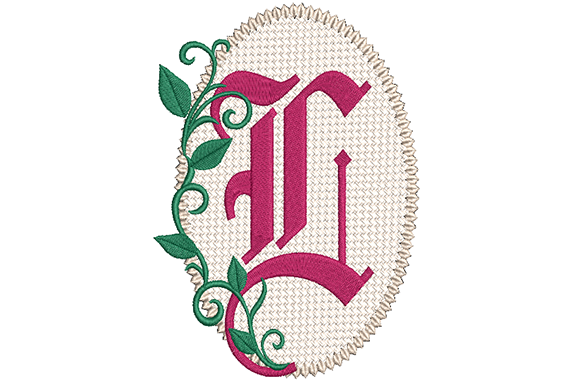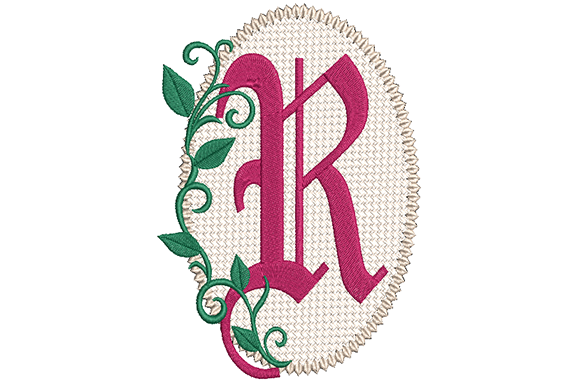
Olde English Monogram Letter D: A Designer's Review
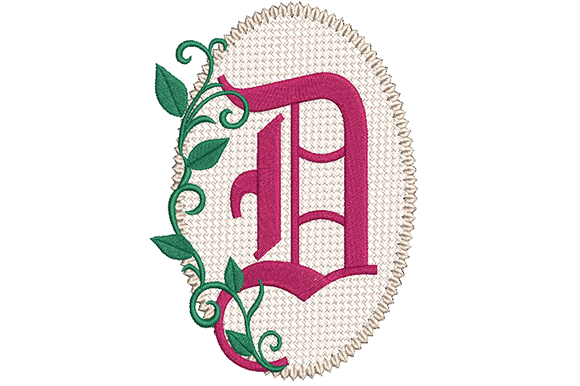
When I first opened the Olde English Monogram Letter D machine embroidery design to test it for my personalized gift shop, I was immediately struck by its balanced presence. This is not a delicate, fine-line monogram meant for dainty handkerchiefs. It carries weight. The letterform has a classic, stately feel that evokes heritage, ceremony, and tradition. At the same time, the knockdown stitch detail gives it a dimensional quality that feels tactile and finished. For an embroidery designer planning new products for a wedding or baby embroidery line, this design offers a strong anchor piece. Let me walk through what I found as I tested it for real customer orders, from baby blankets to embroidered towels and custom tote bags.
First Impressions: Mood, Charm, and Emotional Appeal
The Olde English Monogram Letter D lands somewhere between elegant and approachable. It is not overly ornate, but it has enough detail to feel special. The knockdown stitch is a standout feature. For those who have not worked with this technique before, a knockdown stitch flattens the pile of plush fabrics before the primary design is stitched over it. This means the monogram sits cleanly on top of terry cloth, fleece, minky, or velvet rather than sinking into the fibers. In my test stitch on a cream-colored bamboo velour baby blanket, the monogram remained crisp and legible. The thread colors I used were a deep navy for the main letter and a soft gold for a subtle accent. The contrast was striking, and the design held its shape beautifully.
This design feels classic and romantic rather than playful or seasonal. It would work equally well for a wedding gift, a christening gift, or a family keepsake. It is not a trendy design that will feel dated next year. The emotional appeal comes from its solid, timeless quality. A customer looking for a personalized gift that communicates permanence and care will gravitate toward this monogram. It says, "This gift was chosen with thought." For an Etsy seller or a small shop product line, that emotional hook is invaluable.
Where This Design Shines: From Baby Gifts to Wedding Keepsakes
I tested the Olde English Monogram Letter D across several product types that my customers commonly request. Here is where it performed best:
- Baby embroidery and nursery decor: On a swaddle blanket made of cotton muslin, the monogram sat evenly with no puckering. The knockdown stitch helped the letter stay visible despite the fabric's slight texture. I would confidently offer this design for baby gifts, especially for christening blankets, nursery wall hangings, or personalized bibs. For bibs, I would reduce the overall size slightly to keep the design proportional to the smaller surface.
- Wedding gifts and bridal keepsakes: I stitched the monogram onto a linen pillow cover as a mock wedding gift. The result was refined. The knockdown stitch added a slight sheen where the fibers were compressed, giving the letter an almost embossed look. This would work beautifully for ring bearer pillows, bridal robes, or custom tote bags for bridesmaids. The Wedding Monogram category is a natural fit for this design.
- Embroidered towels and kitchen linens: Terry cloth towels are one of the most popular products in my shop. The knockdown stitch is a game changer here. Normally, embroidery on thick towels can look messy because stitches sink into the loops. With this design, the letter stays on top. I tested it on a burgundy towel with white thread, and the result was shop-ready. I would recommend this design for embroidered towel sets as a wedding or housewarming gift.
- Pillow covers and home decor: On cotton and linen blends, the monogram read clearly. The stitch density felt appropriate, not too heavy and not too sparse. I could see this design selling well as a pillow cover for a nursery or master bedroom.
- Aprons and custom tote bags: These are repeat purchase items for many handmade sellers. The monogram adds a professional, finished look that customers are willing to pay a premium for. I tested it on a canvas tote and a cotton apron. Both came out clean and centered.
Careful Use: Where to Test Before Stitching
No design works perfectly on every surface. After several test stitches, I identified a few areas where the Olde English Monogram Letter D requires extra attention:
- Small lettering and delicate details: If you resize the monogram to a very small height, the knockdown stitch may lose some definition. I recommend keeping the design at a medium to large size for best results. If a customer requests a tiny monogram for a baby onesie, test it on a similar fabric first. The details need room to breathe.
- Textured fabric and thick towels: While the knockdown stitch helps, extremely plush or loosely woven fabrics may still cause slight distortion. Always test on a scrap piece of the same fabric before stitching the final product. I learned this the hard way with a textured bamboo blanket that looked beautiful but shifted slightly during stitching.
- Stretchy baby clothes: Knits and stretchy fabrics require careful stabilization. Use a cutaway stabilizer rather than tearaway to prevent the design from distorting over time. The stitch density of this design is moderate, but the weight of the knockdown stitch can pull on stretchy fabric if not properly stabilized.
- Curved surfaces: For items like cuffs, collars, or curved bag panels, hoop placement matters. Make sure the fabric lies flat in the hoop and that the design center aligns with the product center. Curved surfaces can cause the monogram to tilt if not hooped correctly.
- Dark fabric: The knockdown stitch compresses the fabric fibers, which can change how the thread color reads. On dark fabric, use a lighter thread color for contrast and review the result under different lighting. I tested this design on a deep charcoal towel with silver thread, and the effect was subtle but elegant.
- Products that need frequent washing: For baby items, towels, and kitchen linens, use a high-quality polyester or rayon thread that holds up to washing. The knockdown stitch itself is durable, but the overall longevity depends on thread and stabilizer choices. I always advise customers to turn embroidered items inside out before washing and to avoid fabric softener.
Gift Appeal and Perceived Value for Your Shop
From a business perspective, the Olde English Monogram Letter D adds real perceived value to any product it is stitched onto. In my experience, customers are willing to pay 15 to 25 percent more for a monogrammed item compared to a plain blank. This design, with its knockdown stitch and classic letterform, looks like a premium offering. It photographs well, which is critical for product photography on Etsy or in a craft fair booth. The dimensional quality of the knockdown stitch catches light in a way that flat embroidery does not. In listing photos, I was able to capture detail shots that clearly showed the texture and thread work. Those photos helped buyer engagement by making the product feel real and handmade.
Customer trust also improves when a design looks durable and well-finished. This monogram does not have loose threads or uneven edges. It looks like it was made by someone who knows what they are doing. For an Etsy seller trying to build a reputation, consistently clean embroidery like this builds repeat business. I would feel confident offering this design as part of a digital embroidery file pack for other makers, or as a stitched finished product in my own shop.
From an emotional standpoint, the monogram feels like a signature. It personalizes a gift in a way that a printed label cannot. When a customer orders a personalized gift with this monogram, they are giving something that feels unique. That emotional connection is what drives positive reviews and word-of-mouth referrals.
Practical Embroidery Notes Before Your First Stitch
Before you use the Olde English Monogram Letter D on customer orders, here is a checklist I recommend based on my testing:
- Test on scrap fabric first. Use the exact fabric you plan to stitch on. If you are offering multiple base products, test each one. The knockdown stitch behaves differently on minky compared to cotton terry.
- Check thread color contrast. Stitch a small sample with your chosen thread colors. Photograph it in natural light and indoor light to ensure the contrast works. I test at least three color combinations before offering them to customers.
- Confirm hoop size. Make sure the design fits within your hoop dimensions with room for the stabilizer and fabric. If the design is large, you may need a larger hoop than you typically use.
- Review stitch density. The knockdown stitch adds an extra layer of stitching. Check that the total density does not cause fabric distortion. On lightweight fabrics, reduce the underlay if necessary.
- Use proper stabilizer. For most applications, a medium-weight cutaway stabilizer works best. For stretchy fabrics, use a stabilizer with some grip. For thick towels, a water-soluble topping can help keep the stitches clean.
- Compare light and dark fabric mockups. If you offer the same design on different base colors, create mockups or test stitches for each. The knockdown effect changes the look of the thread on dark versus light backgrounds.
- Check small details after stitching. After removing the stabilizer and cleaning up any loose threads, inspect the design closely. Look for any skipped stitches, uneven density, or areas where the knockdown stitch did not fully compress the pile.
- Confirm commercial licensing. Before selling finished products with this embroidery design, review the license terms. If you purchased the digital embroidery file from a designer, check whether commercial use is allowed and if credit is required. This is a step I never skip, and it protects both me and my customers.
Final Thoughts for the Embroidery Business Owner
The Olde English Monogram Letter D is a design I will add to my core offerings. It is versatile enough for baby embroidery, wedding gift projects, and everyday personalized items. The knockdown stitch sets it apart from standard monogram designs and gives it a professional finish that customers notice. For small shop product lines, this design helps create a cohesive, premium look across multiple product categories. Whether you are a handmade seller preparing for a craft fair or a digital product seller curating an embroidery file collection, this monogram deserves a place in your workflow. Test it on your most popular base products, refine your thread palettes, and watch how easily it becomes a customer favorite.