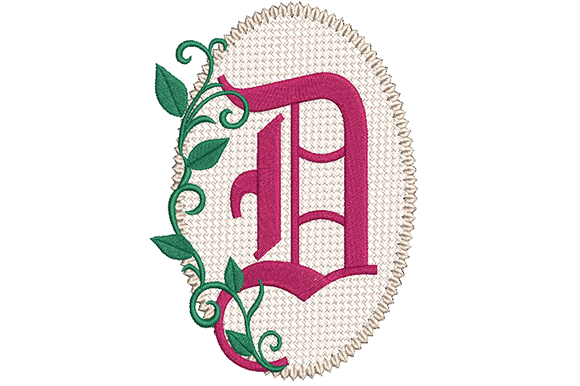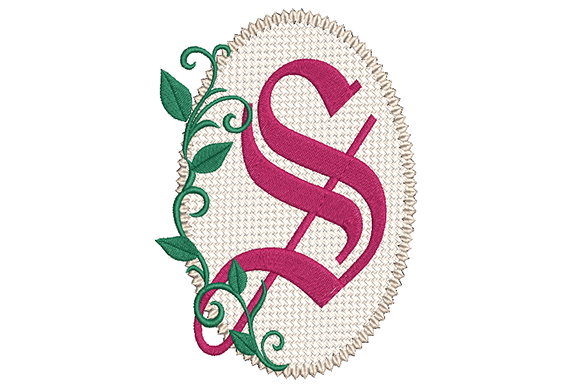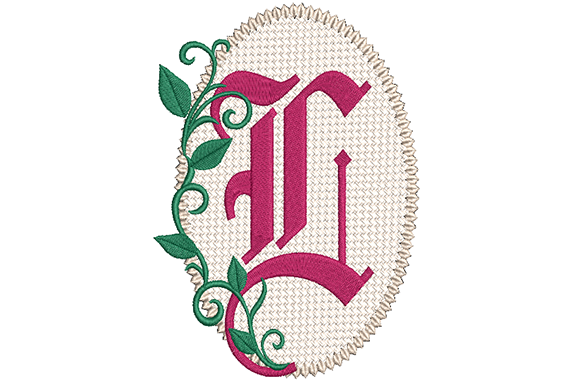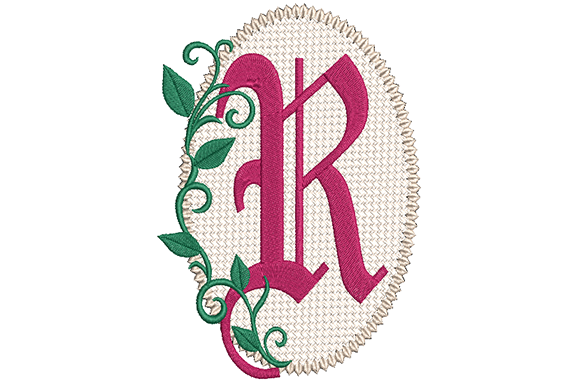
Olde English Monogram Letter I: A Designer's Review
When a client asks for a personalized wedding gift, the pressure is on to deliver something that feels both timeless and meticulously crafted. The right machine embroidery design makes all the difference, bridging the gap between a simple garment and a cherished keepsake. Recently, I needed a single, striking letter for a bridal tote bag set, and I turned to Creative Fabrica to find the perfect candidate. That is when I came across the Olde English Monogram Letter I, a digital embroidery file promising a classic look with a notable knockdown stitch. After stitching it out for several real client projects, here is my honest, hands-on review from a professional designer’s perspective.
The Visual Weight and Stitching Personality
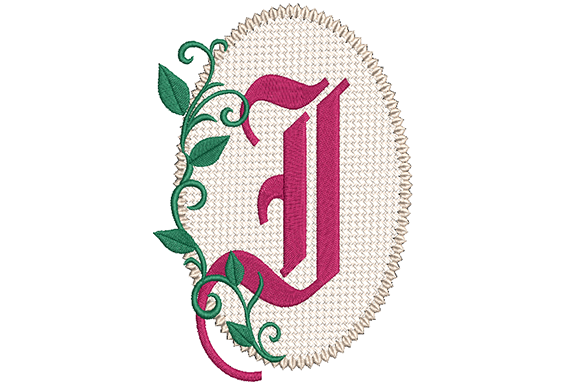
Right away, the Olde English Monogram Letter I commands attention with its authoritative, ornate structure. This is not a thin, delicate script; it carries the formal weight you expect from traditional monograms that dominate the Wedding Monogram category. The inclusion of a knockdown stitch is a major selling point for experienced apparel decorators. In practice, a knockdown stitch compresses the underlying padding or fabric layers, creating a raised, almost 3D surface when the top satin stitch is applied. This translates to a premium, durable finish that resists wear and tear—exactly what you want for heirloom-quality custom apparel and personalized gifts.
For designers reviewing files for resale or production, the visual mood here is clear: ceremonial, high-end, and purpose-built for handmade products intended for weddings or anniversaries. If you are an Etsy seller or small business owner looking to expand your design assets, this letter offers a specific, reliable aesthetic that customers actively search for when commissioning machine embroidery on formalwear or home decor.
Real-World Performance on Different Products
I tested the Olde English Monogram Letter I on several surfaces to evaluate how the stitch data held up under real production conditions. Here is how it performed across different project types.
Tote Bags and Sweatshirts
On a sturdy cotton tote bag design and a classic sweatshirt embroidery project, the knockdown stitch worked beautifully. It provided enough density to prevent the letter from distorting under the weight of the thread. The satin stitch layered over the top was smooth and even, with no visible gaps. I strongly recommend using a medium-weight cutaway stabilizer for these fabrics to maintain the integrity of the embroidery file after multiple washes. This design handles the structure of mid-weight fabrics exceptionally well.
Caps and Curved Surfaces
Lettering is notoriously tricky on curved cap surfaces, but the solid structure of this monogram helped it stay crisp. Because the design is naturally dense, hooping with a firm backing is essential. I found that a heavy tearaway combined with a water-soluble topper worked well to keep the knockdown stitch from sinking into the texture of a cotton twill cap. If you are stitching this on a curved surface, take your time with the hooping process to avoid registration issues.
Patches and Appliqué
If you are looking into creating an embroidered patch, this machine embroidery design is an excellent candidate. The knockdown stitch creates a stable, padded base that feels like a traditional crest patch. You can easily stitch it onto felt or twill, cut around the edges, and finish it with a merrow or satin border for sale in your shop. It adds a premium, tactile element to any finished product.
Delicate Items and Baby Linens
While the Olde English Monogram Letter I has a classic appeal, its stitch density is substantial. On a baby blanket or kitchen towel, I would strongly advise testing your hoop size and stabilizer combination on a scrap piece first. The rich texture is a huge plus for nursery decor, but you must ensure the fabric can support the weight of the stitch without puckering. For lightweight linens, consider a lighter-weight stabilizer strategy and verify the density is appropriate for the fabric type.
Practical Embroidery Notes for Setup
Before you download and stitch, let us talk about the tangible technical aspects. As with any Creative Fabrica embroidery file, confirming the specifics on the product page is your first step to success.
- Stitch Density: The olde english style relies on heavy satin stitch and fill stitch coverage. This means high stitch density. For dark fabric, consider adding a white or light-colored underlay to prevent the fabric from peeking through, or use a high-quality polyester thread that offers excellent opacity.
- Thread Colors: Because of the knockdown stitch, metallic threads can behave beautifully on top, reflecting light off the raised surface. For a classic look, use solid bright gold, silver, or deep navy thread colors to maximize contrast against the background.
- Hoop Size: Pay close attention to the recommended hoop size. Larger hoops provide better stabilization for dense digitized embroidery. Never try to squeeze a dense monogram into the minimum hoop requirement if it looks tight—this prevents shifting and ensures clean stitching.
- Testing: Always, always stitch a test. I created a printable mockup first using the design file, then stitched it on scrap denim. This helped me adjust the tension and confirm the stitch quality was appropriate for the client’s garment.
Business Value and Marketability
From a business perspective, the Olde English Monogram Letter I fits perfectly into the high-demand Wedding Monogram niche. Wedding season is a goldmine for commercial embroidery, and having a reliable, beautiful monogram file in your library is essential for keeping up with custom orders.
This design performs exceptionally well in product photography. The raised, puffy nature of the knockdown stitch catches the light beautifully, which translates to more engaging listings on Etsy or your boutique website. Buyers associate this level of detail with high quality and are willing to pay a premium for personalized gift items like bridesmaid robes, groomsmen gifts, or family towels.
For creative entrepreneurs running a print-on-demand or local embroidery service, this design offers brand consistency. You can offer it across multiple product categories—tote bag design, sweatshirt embroidery, and custom embroidered patch backs—creating a cohesive suite of products for your customers.
Before using it for commercial embroidery, I always advise fellow designers to double-check the licensing details on the Creative Fabrica embroidery product page. Understanding the terms for selling finished product items ensures your business remains compliant and ethical.
An Honest Verdict for Fellow Designers
So, is the Olde English Monogram Letter I worth adding to your digital stash? If you are an apparel decorator or handmade shop owner looking for a classic, commercially viable embroidery file, I would say yes. The knockdown stitch elevates it above a standard satin letter, providing that tactile, luxury feel that customers love.
It is not a "stitch and forget" design for absolute beginners. It requires respect for stabilizer selection and fabric prep. But for an experienced designer, it is a reliable tool that delivers a beautiful result every time. Whether you are stitching it on a cotton apron for a bridal shower or a denim jacket for a fashion-forward client, this monogram performs.
Ultimately, the Olde English Monogram Letter I is a solid Creative Fabrica embroidery asset that bridges the gap between traditional digitized art and modern business needs. Add it to your collection, test it thoroughly, and watch how it transforms your custom order workflow.